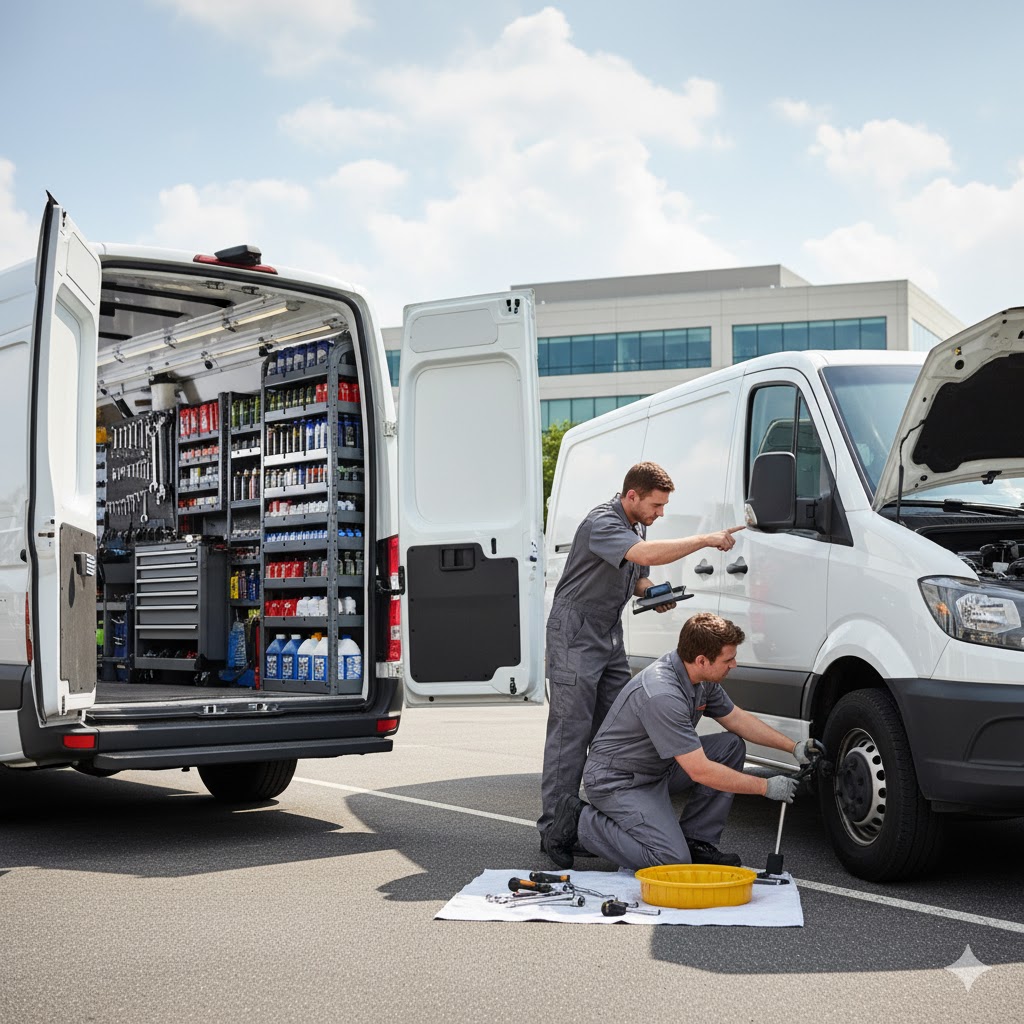

driver repair report signals are the early warnings every vehicle owner should take seriously. Ignoring these driver repair report signals can turn a minor issue into a costly breakdown or even a safety risk on the road.
Keeping your car reliable isn’t just about routine oil changes it’s also about paying attention to what your vehicle is trying to tell you. Drivers are often the first line of defense when something goes wrong. Strange noises, warning lights, or changes in performance are not random; they are maintenance signals that should be reported immediately to a professional technician. For service-based automotive providers like Oilcanman, timely reporting helps prevent bigger repairs and keeps drivers safe on U.S. roads.
In this guide, we’ll break down six critical maintenance signals drivers should report right away, why they matter, and what can happen if they’re ignored.
1. Dashboard Warning Lights That Stay On
Modern vehicles are equipped with advanced onboard diagnostics, and dashboard warning lights are one of the clearest driver repair report signals. While some lights may briefly appear during startup, any warning light that stays on should never be ignored.
Common examples include:
-
Check Engine Light
-
Oil Pressure Warning
-
Battery/Charging System Light
-
Brake System Warning
These indicators are designed to alert drivers before a failure occurs. A glowing check engine light could signal anything from a loose gas cap to a serious engine misfire. Reporting this early allows technicians to use tools like Mobile Diagnostics & Repair services to identify and resolve the issue quickly without unnecessary downtime.
2. Unusual Noises While Driving or Idling
Cars make noise—but unfamiliar sounds are a red flag. Grinding, squealing, knocking, or rattling noises are strong driver repair report signals that something isn’t right.
For example:
-
Squealing when braking may point to worn brake pads
-
Knocking from the engine could indicate lubrication or combustion problems
-
Clicking sounds during turns often relate to CV joint issues
These noises usually worsen over time. Reporting them immediately can prevent component failure and reduce repair costs. From a safety standpoint, brake or suspension noises should always be treated as urgent.
3. Fluid Leaks Under the Vehicle
Seeing fluid on your driveway or garage floor is one of the most visible maintenance signals drivers should report immediately. Vehicles rely on multiple fluids to operate correctly, and any leak can quickly compromise performance.
Common leaks include:
-
Engine oil (brown or black)
-
Coolant (green, orange, or pink)
-
Transmission fluid (reddish)
-
Brake fluid (clear to light brown)
Low fluid levels can cause overheating, transmission failure, or brake loss. Early reporting allows technicians to locate the leak source and fix it before major damage occurs.
4. Burning Smells or Smoke
Any burning smell coming from your vehicle should be reported without delay. This is one of the most serious driver repair report signals because it may indicate overheating components, electrical problems, or fluid leaks contacting hot surfaces.
Examples include:
-
Burning rubber smell from belts or hoses
-
Electrical burning odors from wiring issues
-
Sweet smells linked to coolant leaks
Smoke—whether from the hood or exhaust—is an even stronger warning. These situations can escalate quickly and may pose fire risks. Pulling over safely and contacting a professional service is the smartest move.
5. Changes in Braking or Steering Performance
Your ability to brake and steer safely is non-negotiable. Any change in how the vehicle responds should be reported immediately.
Warning signs include:
-
Spongy or stiff brake pedal
-
Steering wheel pulling to one side
-
Vibrations when braking
-
Increased stopping distance
These issues often point to brake wear, fluid problems, alignment issues, or suspension faults. From a liability and safety perspective, these driver repair report signals should always be treated as high priority.
6. Reduced Engine Performance or Poor Fuel Efficiency
If your vehicle suddenly feels sluggish or you’re visiting the gas station more often, your car may be signaling an underlying problem. Reduced power, rough acceleration, or frequent stalling are common indicators that something needs attention.
Possible causes include:
-
Dirty fuel injectors
-
Faulty sensors
-
Ignition system issues
-
Air intake problems
Reporting these symptoms early helps restore performance and prevents further strain on the engine. It also ensures better fuel economy something every U.S. driver appreciates with rising fuel costs.
Why Immediate Reporting Matters
Delaying repairs doesn’t save money—it usually does the opposite. Small, unreported issues often lead to:
-
More expensive repairs
-
Unexpected breakdowns
-
Safety risks for drivers and passengers
For service providers like Oilcanman, accurate and timely driver feedback allows technicians to diagnose problems faster and deliver efficient, on-site solutions.
Book Appointment Today
Your vehicle communicates through clear warning signs. Paying attention to these driver repair report signals and acting quickly can save time, money, and stress. Whether it’s a warning light, strange noise, or performance change, early reporting keeps your car running safely and efficiently.
If you’ve noticed any of these signs, don’t wait. Book your service appointment today with Oilcanman and get professional help right where you need it. Call 📞 195-476-48117 to schedule expert mobile diagnostics and repairs and keep your vehicle road-ready with confidence.