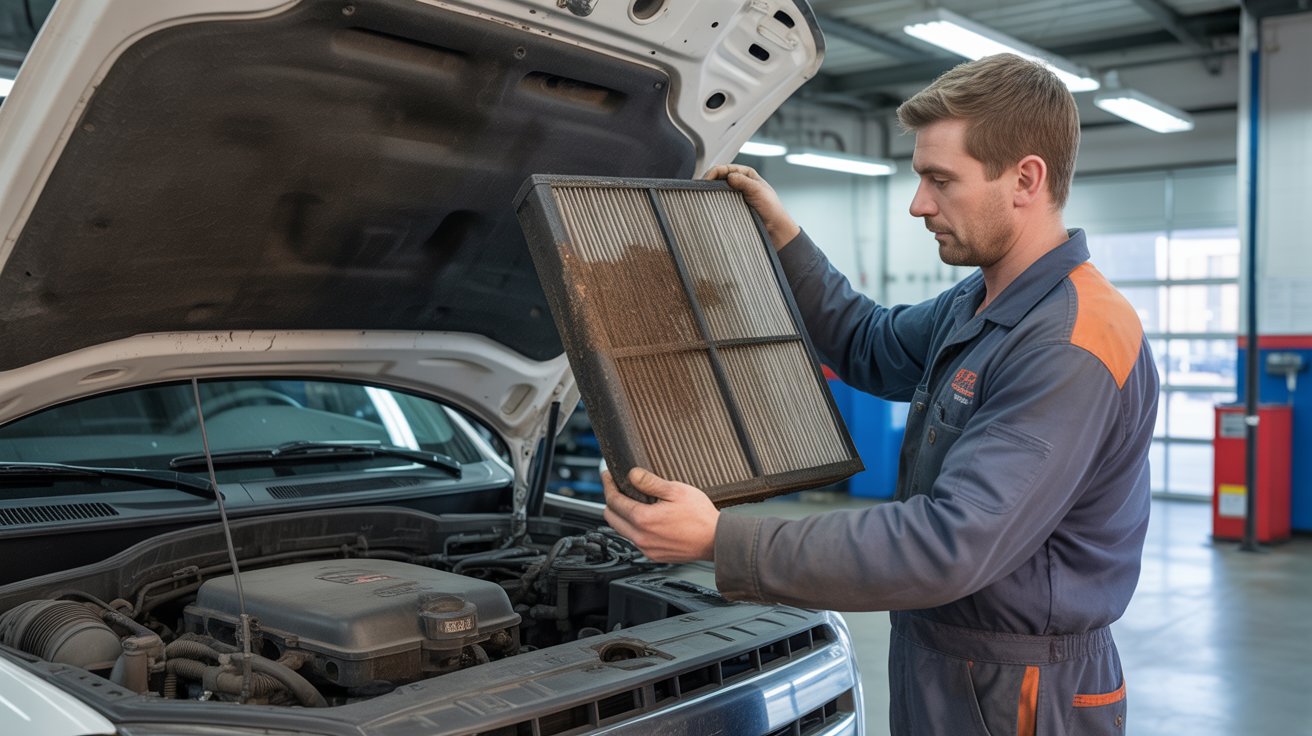
Fleet belts hoses failure is one of the most common and costly issues faced by commercial vehicle operators across the United States. From delivery vans and box trucks to heavy-duty fleet vehicles, worn belts and damaged hoses can bring operations to a halt, increase downtime, and lead to expensive roadside breakdowns if ignored.
Understanding why these components fail and how to prevent issues before they happen is critical for keeping your fleet reliable, safe, and profitable.
Why Belts and Hoses Matter in Commercial Fleets
Belts and hoses may seem like small components, but they play a massive role in engine performance. Serpentine belts drive essential systems like the alternator, water pump, and power steering. Hoses transport coolant, oil, air, and hydraulic fluids that keep engines operating at safe temperatures and pressures.
When these parts fail, the result is often immediate vehicle downtime. Regular inspections and timely service—such as professional Engine Support Component Service from a trusted provider like Oilcanman can significantly reduce the risk of unexpected failures.
Common Causes of Fleet Belts Hoses Failure
Commercial fleets operate under demanding conditions. Long hours, heavy loads, and extreme temperatures all contribute to accelerated wear. Below are the most common causes of belt and hose failures in fleet vehicles.
1. Heat and Temperature Extremes
Engines generate intense heat, especially in stop-and-go traffic or long-haul operations. Over time, high temperatures cause belts to harden and crack, while hoses can become brittle or swell. Cold weather can also make rubber components less flexible, increasing the risk of splitting.
2. Normal Wear and Aging
Even high-quality belts and hoses have a limited lifespan. Rubber compounds degrade over time, regardless of mileage. Many fleet breakdowns occur simply because components were used beyond their recommended service life.
3. Fluid Contamination
Oil leaks, coolant spills, or fuel exposure can weaken belts and hoses. Oil-soaked belts may slip or fail without warning, while contaminated hoses can soften internally and collapse under pressure.
4. Improper Tension or Installation
Belts that are too tight place excess strain on bearings and pulleys, while loose belts can slip and overheat. Incorrect hose routing or poorly secured clamps can lead to abrasion, leaks, or sudden rupture.
5. Road Debris and Vibration
Fleet vehicles rack up thousands of miles across highways, job sites, and urban roads. Constant vibration and exposure to debris can cause chafing, cracking, and premature wear, especially in under-hood components.
Warning Signs You Should Never Ignore
Catching problems early is the key to preventing roadside breakdowns. Fleet managers and drivers should watch for these common warning signs:
-
Squealing or chirping noises from the engine
-
Visible cracks, fraying, or glazing on belts
-
Bulging, soft, or leaking hoses
-
Engine overheating or coolant loss
-
Burning rubber smells
-
Dashboard warning lights related to charging or cooling systems
Ignoring these symptoms often leads to complete component failure and a disabled vehicle.
How to Prevent Belts and Hose Failures in Fleet Vehicles
Preventive maintenance is far more cost-effective than emergency repairs. Here’s how commercial fleets can reduce failure risks and extend component life.
Implement Routine Inspections
Belts and hoses should be inspected during every scheduled service interval. Look for visible damage, signs of leaks, and proper belt alignment. Early detection allows replacements to be planned instead of rushed.
Follow Manufacturer Replacement Intervals
OEM guidelines exist for a reason. Replacing belts and hoses before they fail helps avoid secondary damage to engines, alternators, and cooling systems.
Use Quality Parts
Not all belts and hoses are created equal. Low-quality components may save money upfront but often fail sooner under fleet operating conditions. High-grade materials designed for commercial use offer better durability.
Address Leaks Immediately
Oil or coolant leaks should never be ignored. Fixing leaks early protects surrounding components and prevents contamination-related failures.
Rely on Professional Fleet Service
Experienced technicians understand fleet demands and know where problems commonly occur. Professional service ensures correct installation, proper tensioning, and long-term reliability.
The True Cost of Ignoring Belt and Hose Maintenance
A single belt or hose failure can lead to much larger problems. Overheating may damage cylinder heads or gaskets. Loss of alternator function can drain batteries and shut down vehicles mid-route. Missed deliveries, towing charges, and lost productivity quickly add up.
For fleet operators, prevention isn’t just about maintenance it’s about protecting revenue and reputation.
Why Proactive Maintenance Keeps Fleets Moving
Fleet reliability depends on consistency. When belts and hoses are inspected and replaced on schedule, vehicles spend more time on the road and less time in the shop. Drivers feel more confident, customers experience fewer delays, and operating costs remain predictable.
Smart fleet managers treat belts and hoses as critical assets, not afterthoughts.
Schedule Fleet Belt & Hose Service Today
Don’t wait for a breakdown to disrupt your operations. Protect your vehicles with expert inspections and reliable service tailored for commercial fleets. Book your appointment today with Oilcanman and keep your fleet running strong.
📞 Call now: 19547648117 to schedule professional fleet belt and hose service and reduce costly downtime before it starts.