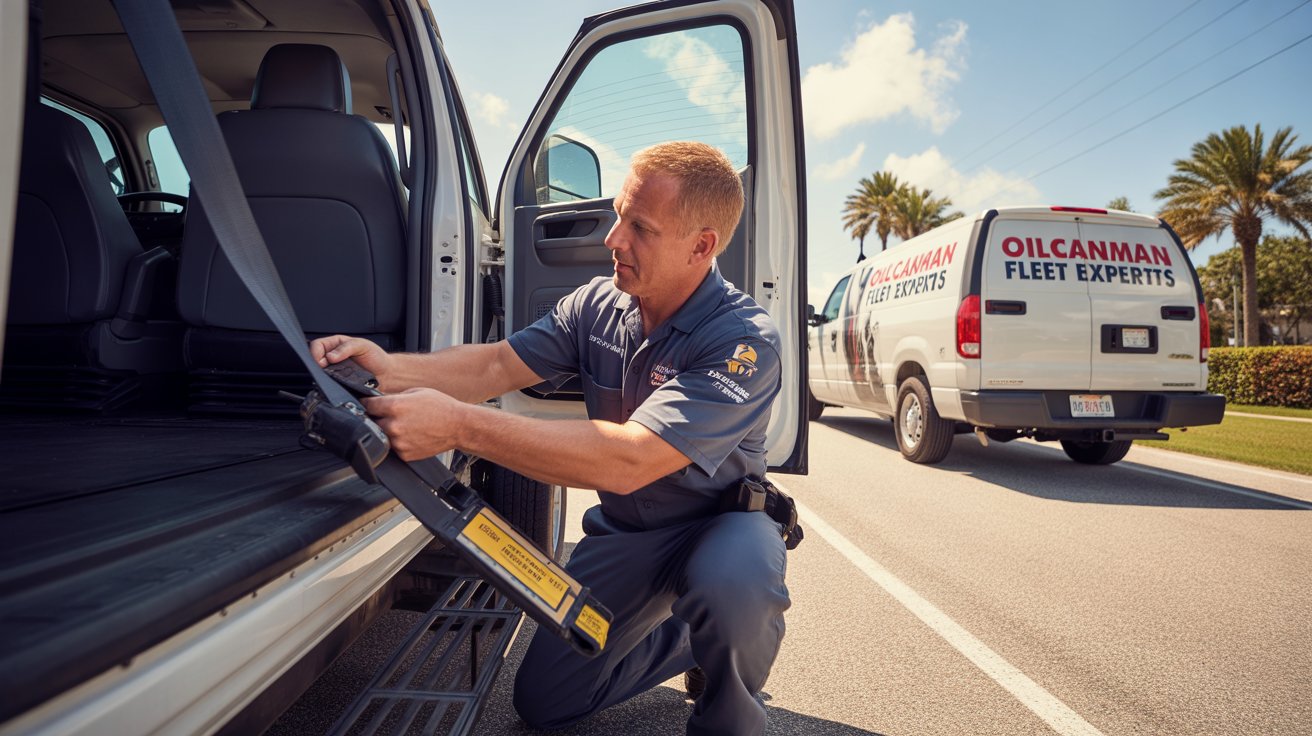
Greasing frequency fleet equipment is one of the most overlooked yet critical factors in keeping heavy equipment reliable, safe, and productive. For fleets that rely on construction machinery, material-handling equipment, forklifts, and work trucks, proper lubrication schedules directly affect uptime, repair costs, and equipment lifespan. When greasing is done too infrequently—or inconsistently—wear accelerates, components fail sooner, and downtime increases.
Heavy equipment operates under extreme conditions: heavy loads, constant vibration, dust, moisture, and heat. Grease acts as a protective barrier, reducing friction, preventing corrosion, and flushing contaminants away from moving parts. Understanding the right greasing frequency for fleet equipment is essential to avoid premature failures and costly repairs.
Why Greasing Frequency Matters for Fleet Equipment
Grease does far more than reduce squeaks. It protects pins, bushings, bearings, joints, and other high-friction components from metal-to-metal contact. In fleet operations, even small lubrication gaps can quickly escalate into major mechanical issues.
Incorrect greasing frequency can cause:
-
Accelerated wear on joints and bearings
-
Overheating of moving components
-
Increased vibration and noise
-
Higher fuel consumption due to friction
-
Unexpected breakdowns and safety risks
For service-based fleets and heavy equipment operators, a disciplined greasing schedule is a foundational part of preventive maintenance.
Factors That Determine Proper Greasing Frequency
There is no one-size-fits-all schedule. Greasing frequency for fleet equipment depends on several operational factors:
1. Equipment Type
Forklifts, excavators, loaders, cranes, and skid steers all have different lubrication requirements. Articulated joints and pivot points often need more frequent attention than sealed bearings.
2. Usage Intensity
Equipment running multiple shifts per day requires more frequent greasing than machines used occasionally. Continuous-duty equipment may need daily or weekly lubrication.
3. Load Conditions
Heavier loads increase pressure on joints and bearings, accelerating grease breakdown. Fleets that routinely handle heavy materials should shorten lubrication intervals.
4. Environmental Conditions
Dust, dirt, moisture, heat, and humidity—common in many US job sites—can contaminate grease. Equipment operating outdoors or in harsh environments needs more frequent servicing.
5. Manufacturer Guidelines
OEM recommendations provide a baseline, but real-world conditions often require adjustments to maintain reliability.
Typical Greasing Frequency Guidelines for Heavy Equipment
While every fleet is different, the following general guidelines can help establish a starting point:
-
Daily or Every Shift:
High-load pivot points, pins, and bushings on heavily used equipment -
Weekly:
Bearings, steering joints, and suspension components on active fleet vehicles -
Bi-Weekly to Monthly:
Moderate-use equipment operating in clean environments -
Quarterly:
Low-use or sealed components, depending on inspection results
Regular inspections should always accompany greasing. Visual checks can reveal dried grease, contamination, or damaged fittings that signal the need for immediate service.
Common Greasing Mistakes That Damage Fleet Equipment
Many fleets unintentionally shorten equipment life by making lubrication errors:
-
Under-greasing: Leads to friction, heat buildup, and component failure
-
Over-greasing: Can damage seals and attract dirt
-
Using the wrong grease type: Not all grease is suitable for heavy equipment
-
Skipping hard-to-reach fittings: These often fail first
-
Inconsistent schedules: Irregular greasing leads to uneven wear
Avoiding these mistakes requires both training and a structured maintenance plan.
The Role of On-Site Lubrication in Fleet Maintenance
For fleets with multiple machines or tight schedules, bringing equipment to a shop for routine greasing can be inefficient. That’s why many businesses rely on ( On-Site Preventive Maintenance ) services to keep equipment properly lubricated without disrupting operations.
On-site greasing ensures:
-
Consistent lubrication intervals
-
Reduced downtime and travel costs
-
Early detection of wear or damage
-
Better compliance with maintenance schedules
Mobile service allows fleet managers to maintain greasing frequency without pulling equipment off the job site.
Signs Your Fleet Needs More Frequent Greasing
Even with a schedule in place, equipment may show warning signs that lubrication intervals need adjustment:
-
Squeaking or grinding noises
-
Stiff or jerky movement in joints
-
Visible rust or corrosion near fittings
-
Excessive heat around bearings
-
Grease leaking or turning dark quickly
When these symptoms appear, increasing greasing frequency can prevent larger mechanical failures.
Building a Greasing Schedule That Works
An effective greasing program should be documented and easy to follow. Best practices include:
-
Creating equipment-specific lubrication checklists
-
Logging service dates and grease types used
-
Training operators to spot lubrication issues
-
Pairing greasing with routine inspections
-
Adjusting frequency based on usage and conditions
For growing fleets, outsourcing lubrication to a professional mobile service ensures consistency and accountability.
Why Proper Greasing Saves Money Long-Term
Maintaining the correct greasing frequency for fleet equipment reduces repair costs, extends component life, and minimizes unplanned downtime. Well-lubricated machines operate more efficiently, consume less fuel, and remain safer for operators.
In high-demand industries, lubrication is not just maintenance—it’s a cost-control strategy.
Ready to Protect Your Fleet? Schedule On-Site Service Today
If your fleet includes heavy equipment, forklifts, or commercial vehicles, consistent lubrication is critical to performance and longevity. Oil Can Man provides reliable mobile lubrication and preventive services designed to keep your equipment moving without interruption.
Book your on-site fleet service today at 19547648117 Our mobile technicians come to you saving time, reducing risk, and protecting your bottom line.