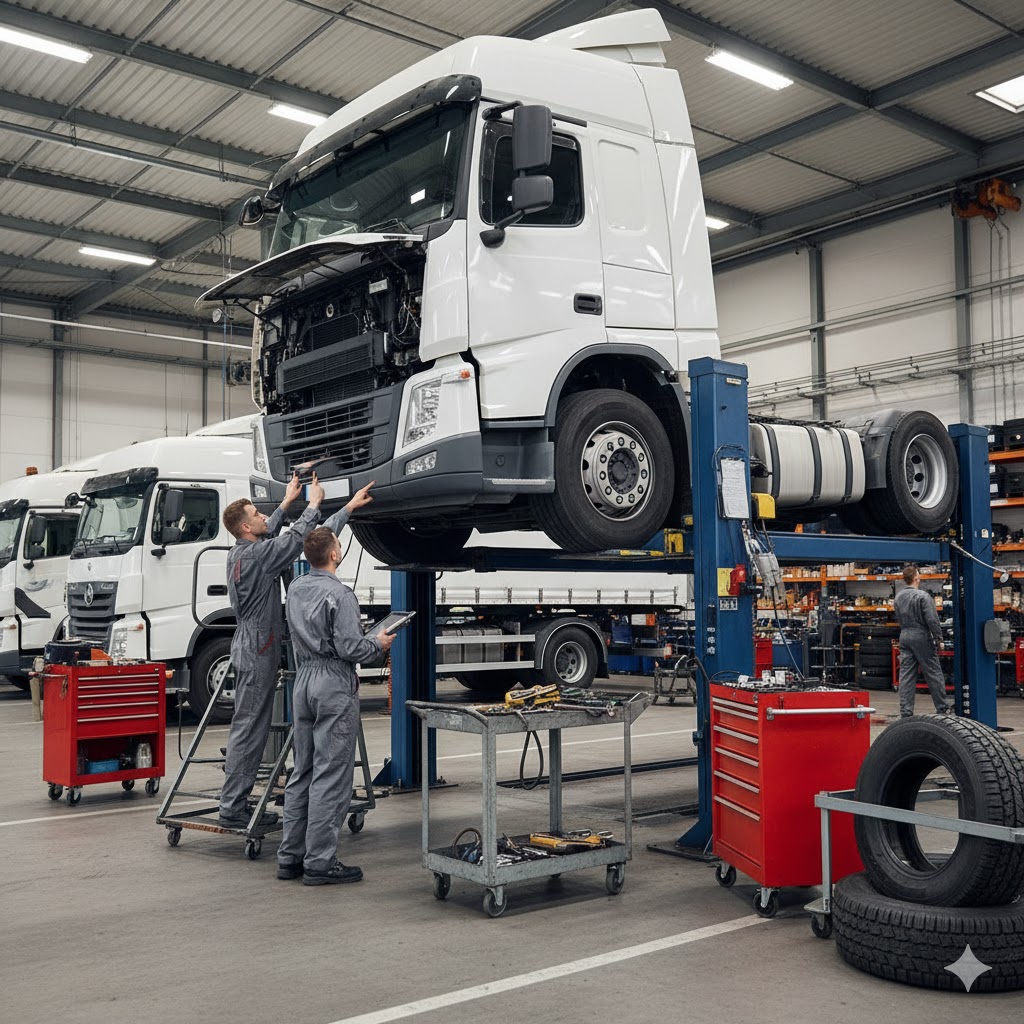
Fleet lubrication importance cannot be overstated when it comes to maintaining the health and longevity of commercial vehicles. Proper lubrication ensures that engine components, transmissions, and moving parts operate smoothly, reducing friction, heat buildup, and premature wear. For businesses that rely on multiple vehicles, a well-lubricated fleet is not just a maintenance task — it’s an investment in uptime and operational efficiency.
For fleet managers in the U.S., adopting a routine lubrication schedule is essential. Vehicles that experience heavy workloads, frequent stop-and-go driving, or operate in challenging weather conditions are particularly vulnerable to mechanical issues caused by inadequate lubrication. One effective way to maintain your fleet is through a mobile oil change service, which allows businesses to perform necessary oil and lubrication services without disrupting daily operations.
Why Lubrication Matters for Fleet Longevity
Engines and mechanical systems in commercial vehicles are designed to function with precise tolerances. When lubrication is insufficient, metal surfaces rub against each other, generating friction that can lead to overheating, wear, and ultimately, mechanical failure. This not only shortens the lifespan of the engine and transmission but also increases the likelihood of costly repairs and unplanned downtime.
Proper lubrication reduces this friction and ensures consistent performance across all fleet vehicles. It also prevents corrosion, protects seals and gaskets, and maintains the efficiency of critical components. Fleet lubrication importance extends beyond engines — wheel bearings, steering mechanisms, hydraulic systems, and even chassis components benefit from routine lubrication, contributing to overall fleet longevity.
Signs Your Fleet Needs Better Lubrication
Fleet managers should watch for several indicators that lubrication may be insufficient:
-
Engine Noise: Squeaking, knocking, or rattling sounds often indicate that engine components are operating without adequate lubrication.
-
Increased Fuel Consumption: Friction caused by dry or degraded lubricants forces engines to work harder, burning more fuel.
-
Overheating: Engines and transmissions running hotter than usual are a red flag for lubrication issues.
-
Visible Leaks or Sludge: Oil that is dark, gritty, or leaking from seals and gaskets suggests a maintenance gap.
By monitoring these warning signs, fleet operators can take proactive steps, including scheduled mobile oil change service, to prevent serious mechanical issues and extend vehicle life.
Choosing the Right Lubricants for Your Fleet
Not all lubricants are created equal. Selecting the correct oil type, viscosity, and additives is critical for fleet performance. Heavy-duty diesel trucks, delivery vans, and mixed fleets have different lubrication requirements. For instance, synthetic oils may offer better protection for high-mileage engines, while standard mineral oils may suffice for light-duty vehicles. Consulting with a professional fleet maintenance provider can ensure the right lubrication plan for your unique fleet needs.
Benefits of Routine Fleet Lubrication
-
Extended Vehicle Lifespan: Regular lubrication keeps engine components in optimal condition, delaying wear and replacement.
-
Reduced Maintenance Costs: Preventive lubrication lowers the likelihood of expensive repairs.
-
Enhanced Fuel Efficiency: Properly lubricated engines operate more efficiently, saving on fuel costs over time.
-
Minimized Downtime: Consistent lubrication ensures vehicles remain road-ready, maintaining productivity.
-
Safety Compliance: Well-maintained fleets meet operational and safety standards, reducing the risk of accidents caused by mechanical failure.
Implementing a mobile oil change service allows fleet managers to address lubrication needs conveniently and efficiently. Technicians visit your business location, perform oil changes, check fluid levels, and inspect for potential issues, ensuring minimal disruption to operations.
Integrating Lubrication into Fleet Management Strategy
To maximize the benefits of lubrication, it should be integrated into a comprehensive fleet maintenance program. Track service intervals, record oil types used, and schedule routine inspections for all moving components. Digital maintenance logs and reminders help managers stay on top of lubrication needs and prevent gaps in service that could shorten vehicle lifespan.
Investing in proper fleet lubrication today saves money, reduces downtime, and keeps your vehicles running longer. Don’t wait for breakdowns to disrupt your business operations. Book your appointment for our professional mobile oil change service and ensure your fleet stays in top condition. Call us now at 1-954-764-8117 and experience the convenience of on-site fleet maintenance designed for South Florida businesses.