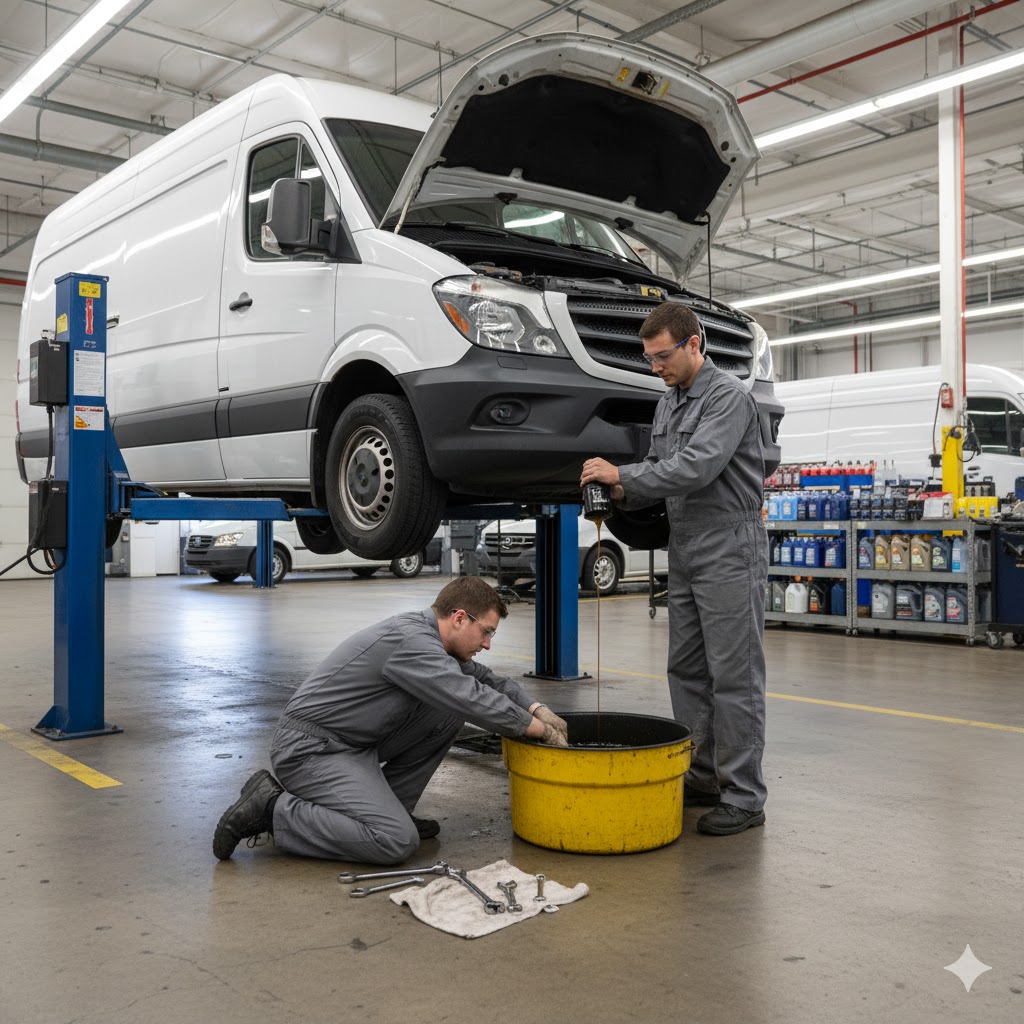
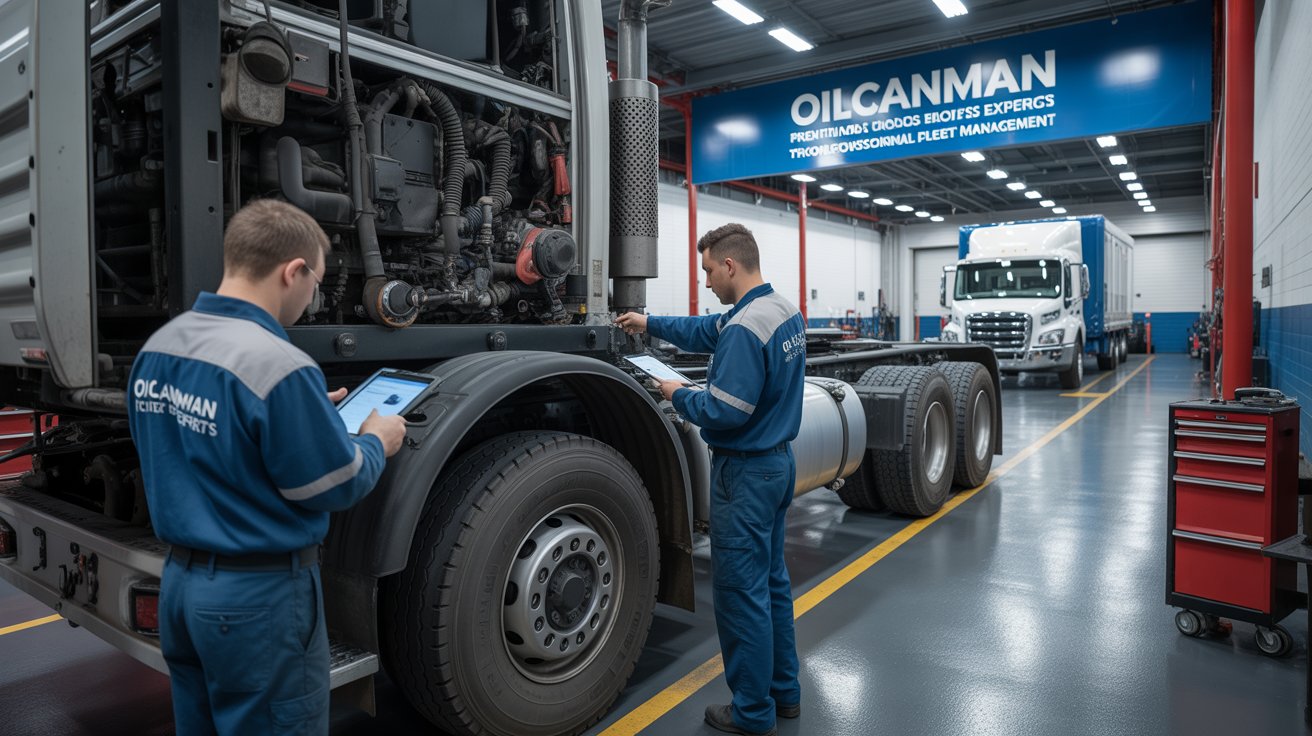
Fleet pre-approved parts repair is one of the smartest ways fleet managers can cut downtime, control costs, and keep vehicles on the road without unnecessary delays. In today’s fast-moving transportation and service industries, every hour a vehicle sits idle impacts productivity, customer commitments, and revenue.
Repair delays often don’t happen because technicians lack skill. They happen because approvals take too long, parts aren’t authorized, or purchasing decisions slow the process. That’s where pre-approved parts lists make a measurable difference.
In this guide, we’ll break down how pre-approved parts lists work, why they matter, and how they directly reduce repair delays for fleet operations across the United States.
Why Repair Delays Are a Serious Fleet Problem
When a vehicle is waiting on parts approval, it’s not generating revenue. Dispatch schedules fall apart, drivers wait, and managers scramble to find temporary replacements. For service fleets, utility vehicles, delivery vans, and heavy-duty trucks, delays ripple through the entire operation.
Many fleets rely on reactive approvals waiting for estimates, reviewing part prices, and signing off before repairs can even begin. This outdated process creates bottlenecks that modern fleets simply can’t afford.
That’s why many fleet managers pair streamlined approval systems with 24/7 Mobile Fleet Repair services to eliminate downtime wherever possible.
What Are Pre-Approved Parts Lists?
A pre-approved parts list is a documented inventory of commonly used repair components that fleet managers authorize in advance. These parts are approved based on quality, compatibility, pricing, and availability.
Instead of reviewing each repair individually, technicians can immediately proceed when a vehicle needs a part already on the list. No waiting. No back-and-forth approvals.
Common pre-approved parts include:
-
Brake pads and rotors
-
Filters and belts
-
Starters and alternators
-
Hoses and fittings
-
Sensors and electrical components
By standardizing these items, fleets eliminate decision delays without sacrificing control.
How Pre-Approved Parts Reduce Repair Delays
1. Faster Repair Authorization
The biggest advantage is speed. When parts are pre-approved, technicians don’t need to pause work to wait for management approval. Repairs begin immediately, especially critical during roadside or emergency service calls.
2. Consistent Repair Quality
Using approved parts ensures consistency across the fleet. You avoid mismatched components, low-quality replacements, or compatibility issues that lead to repeat repairs.
3. Simplified Communication
Pre-approved lists eliminate confusion between technicians, vendors, and fleet managers. Everyone knows which parts are authorized and ready to use.
4. Reduced Administrative Work
Fleet managers spend less time reviewing invoices and approving estimates. That frees up time for planning, compliance, and performance optimization.
The Role of Fleet Pre-Approved Parts Repair in Cost Control
Cost control doesn’t mean cutting corners—it means making smarter decisions ahead of time.
Fleet pre-approved parts repair helps:
-
Lock in negotiated pricing
-
Prevent inflated emergency purchase costs
-
Reduce unnecessary part substitutions
-
Minimize repeat labor from failed components
When parts are chosen strategically, fleets gain predictable maintenance costs while maintaining vehicle reliability.
Mobile Repairs Work Best with Pre-Approved Parts
Mobile fleet repair is most effective when technicians arrive ready to work. Pre-approved parts lists allow mobile technicians to carry or source authorized components instantly.
This is especially valuable for:
-
On-site breakdowns
-
After-hours repairs
-
Remote job locations
-
Time-sensitive service vehicles
Instead of towing vehicles to shops or waiting days for approvals, repairs happen where the vehicle is parked.
How to Build an Effective Pre-Approved Parts List
Creating a useful list isn’t complicated, but it does require planning.
Start with historical data
Review past repairs to identify commonly replaced parts.
Consult experienced technicians
They know which components fail most often and which brands perform best.
Standardize where possible
Use the same part types across similar vehicles to simplify inventory and training.
Review and update regularly
Vehicle technology evolves, and so should your parts list.
Working with a professional fleet repair provider can make this process faster and more accurate.
Common Mistakes to Avoid
Even good systems fail when implemented poorly.
Avoid these mistakes:
-
Over-approving rarely used parts
-
Ignoring OEM compatibility
-
Failing to update pricing agreements
-
Not communicating the list clearly to technicians
A lean, well-maintained list is always better than an outdated or bloated one.
Why Fleets Across the US Are Adopting This Approach
US-based fleets face rising labor costs, tighter schedules, and higher customer expectations. Pre-approved parts lists provide a competitive advantage by reducing downtime and improving response times.
From logistics companies to service contractors, fleets that plan ahead repair faster, spend smarter, and stay operational longer.
Final Thoughts
Repair delays aren’t always mechanical problems they’re often process problems. By implementing a smart pre-approved parts strategy, fleet managers can eliminate approval bottlenecks, reduce downtime, and improve fleet reliability.
When combined with mobile repair services, pre-approved parts become a powerful tool for keeping vehicles road-ready around the clock.
Ready to Reduce Fleet Downtime?
If you want faster repairs, fewer delays, and dependable service, now is the time to act. 📞 Book your fleet service appointment today and let Oilcanman help you streamline repairs with expert mobile solutions built for US fleets.