Forklift brake problems signs are often subtle at first, but ignoring them can lead to serious safety risks, expensive repairs, and unexpected downtime. Forklifts operate in tight spaces, carry heavy loads, and are used daily in warehouses, construction sites, and industrial facilities across the US. Because of this, the braking system must be in top condition at all times.
Catching brake issues early not only protects your operators and inventory but also helps you avoid full system failures that take forklifts out of service when you need them most.
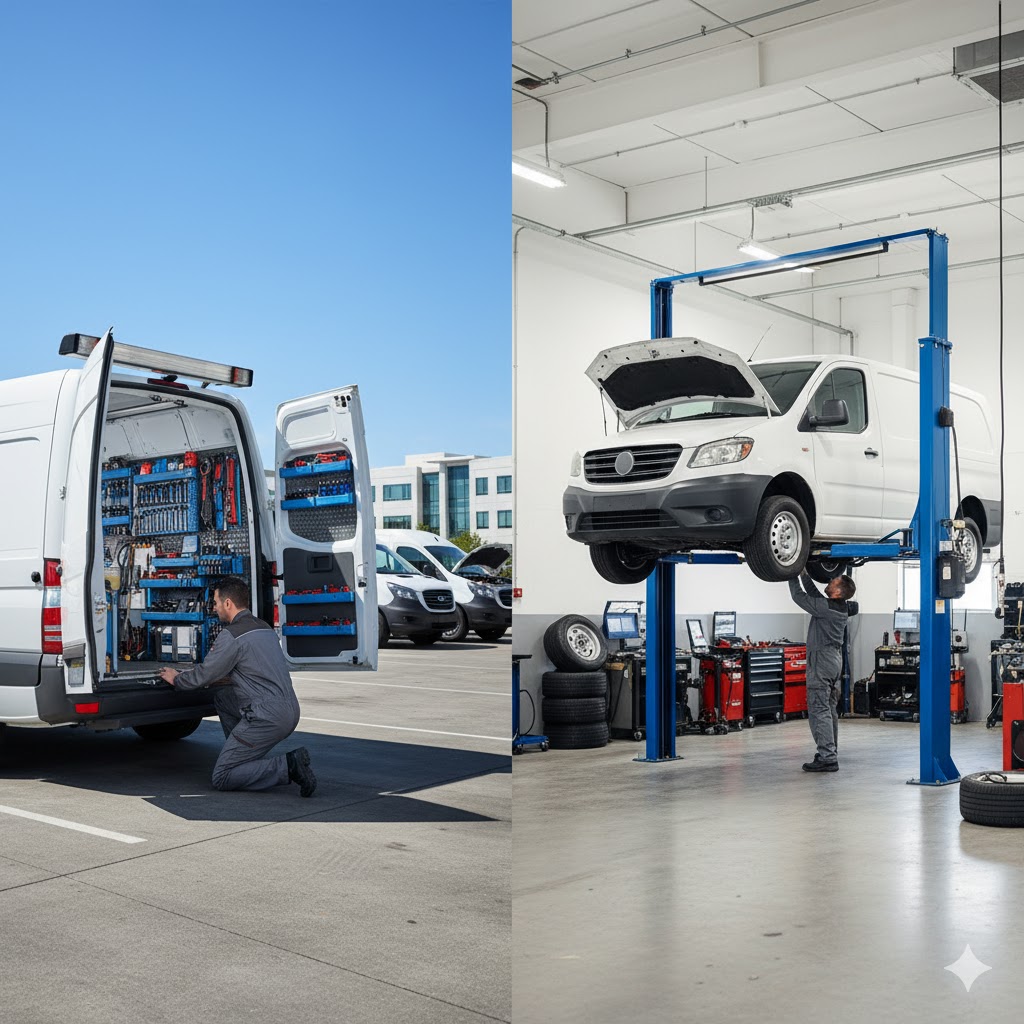
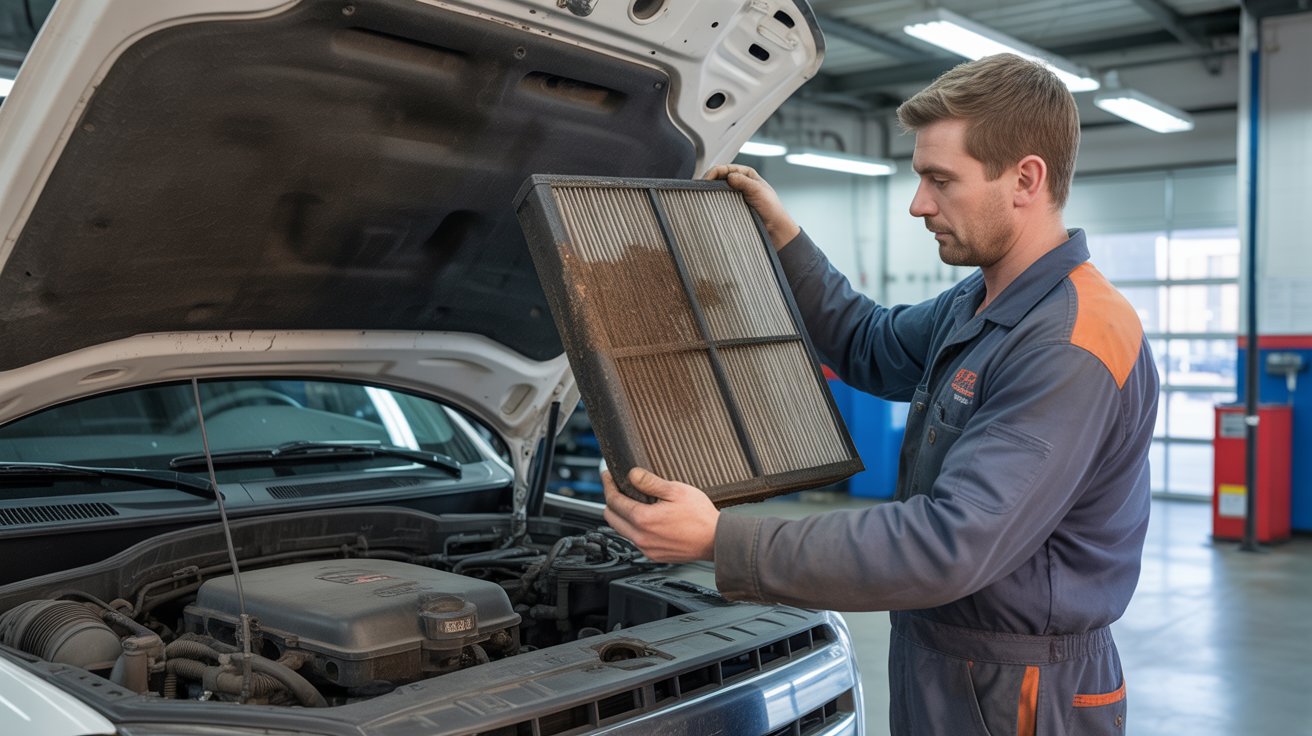
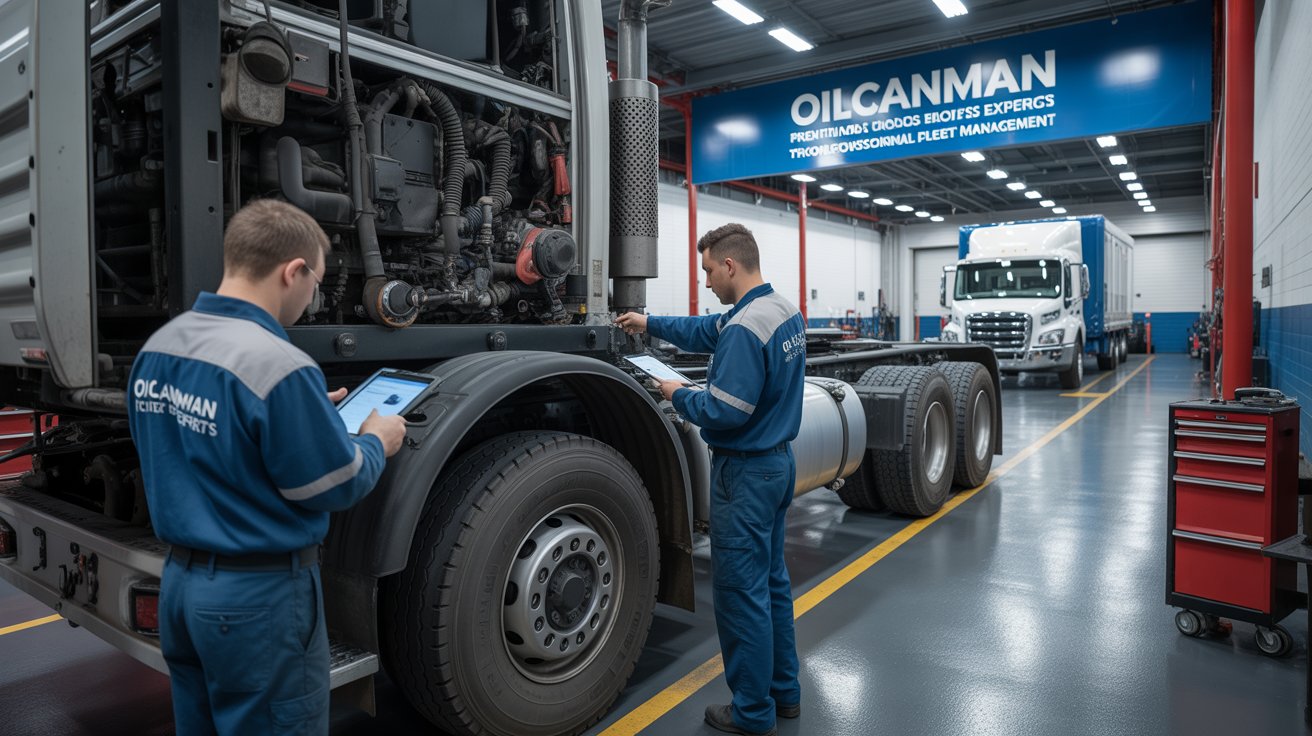
In this guide, we’ll walk through the most common early warning signs of forklift brake problems, why they happen, and when it’s time to call for professional on-site forklift brake repair from a trusted mobile service like Oil Can Man.
Why Forklift Brake Health Matters More Than You Think
Forklifts don’t stop like cars. They handle uneven surfaces, sharp turns, and heavy loads that put constant stress on braking components. Even minor brake issues can quickly escalate into dangerous situations, especially in busy work environments.
Regular brake inspections and fast repairs help:
-
Prevent workplace accidents
-
Reduce liability risks
-
Extend forklift lifespan
-
Maintain OSHA compliance
-
Keep operations running without delays
The earlier you recognize forklift brake problems signs, the easier and more affordable the fix will be.
1. Squealing, Grinding, or Unusual Noises
One of the earliest and most noticeable signs of brake trouble is noise. If your forklift starts making high-pitched squealing, grinding, or metal-on-metal sounds when braking, it’s a red flag.
Common causes include:
-
Worn brake pads or shoes
-
Contaminated brake components
-
Damaged brake drums or rotors
Ignoring these sounds can cause irreversible damage to critical braking parts. A quick inspection and on-site forklift brake repair can resolve the issue before it becomes a major expense.
2. Reduced Stopping Power or Longer Stopping Distance
If your forklift takes longer than usual to come to a complete stop, that’s a serious warning sign. Reduced stopping power is one of the most dangerous forklift brake problems signs because it increases the risk of collisions.
This may be caused by:
-
Brake fluid leaks (for hydraulic systems)
-
Air in brake lines
-
Worn friction materials
Any delay in braking should be addressed immediately to prevent accidents and compliance violations.
3. Soft, Spongy, or Unresponsive Brake Pedal
A brake pedal that feels soft, spongy, or unresponsive often indicates internal brake system issues. Operators may notice the pedal sinking too far before the forklift begins to slow down.
Potential issues include:
-
Low brake fluid levels
-
Air trapped in hydraulic lines
-
Failing master cylinder
This type of problem usually worsens quickly, so early detection is key.
4. Forklift Pulling to One Side When Braking
If a forklift veers left or right while braking, it’s a sign that braking force is uneven. This can cause instability, especially when carrying heavy loads.
Common reasons include:
-
Uneven brake wear
-
Contaminated brake pads on one side
-
Sticking calipers or brake components
Left unaddressed, this issue can strain other systems and increase tire wear as well.
5. Burning Smell During or After Operation
A strong burning smell during forklift use is never normal. It often points to overheated brakes caused by excessive friction or dragging components.
This may result from:
-
Stuck brake pads
-
Improper brake adjustment
-
Continuous braking during operation
Overheating can damage seals, fluids, and surrounding components, leading to costly repairs if ignored.
6. Visible Brake Fluid Leaks
Leaks are one of the most obvious forklift brake problems signs, yet they’re sometimes overlooked during busy shifts. Any visible fluid near wheels, brake lines, or under the forklift should be taken seriously.
Brake fluid leaks reduce hydraulic pressure and can cause sudden brake failure. Immediate service is essential to keep your equipment safe and operational.
7. Brake Warning Lights or Error Codes
Modern forklifts often include sensors and dashboard indicators. If a brake warning light or error code appears, don’t assume it’s a minor glitch.
These alerts are designed to warn operators before performance is affected. Ignoring them can result in unexpected breakdowns or safety incidents.
Why Early Detection Saves Time and Money
Spotting forklift brake problems signs early allows for targeted repairs instead of full system replacements. It also reduces downtime by allowing service to be scheduled before a forklift becomes unsafe to operate.
Mobile repair services are especially valuable because they eliminate the need to transport equipment off-site, keeping your fleet productive.
When to Call a Professional Mobile Forklift Brake Service
If you notice any of the warning signs above, it’s time to call experienced technicians who specialize in forklift brake systems. Oil Can Man provides fast, reliable mobile forklift service across South Florida, helping businesses stay compliant and operational.
Delaying brake repairs puts your operators, inventory, and business reputation at risk.
Schedule Your Forklift Brake Service Today
Don’t wait for a minor issue to turn into a shutdown or safety incident. Book your appointment today with Oil Can Man for expert mobile forklift brake diagnostics and repairs performed directly at your location.📞 Call now 1-954-764-8117 Our team is ready to keep your forklifts safe, reliable, and working when you need them most.