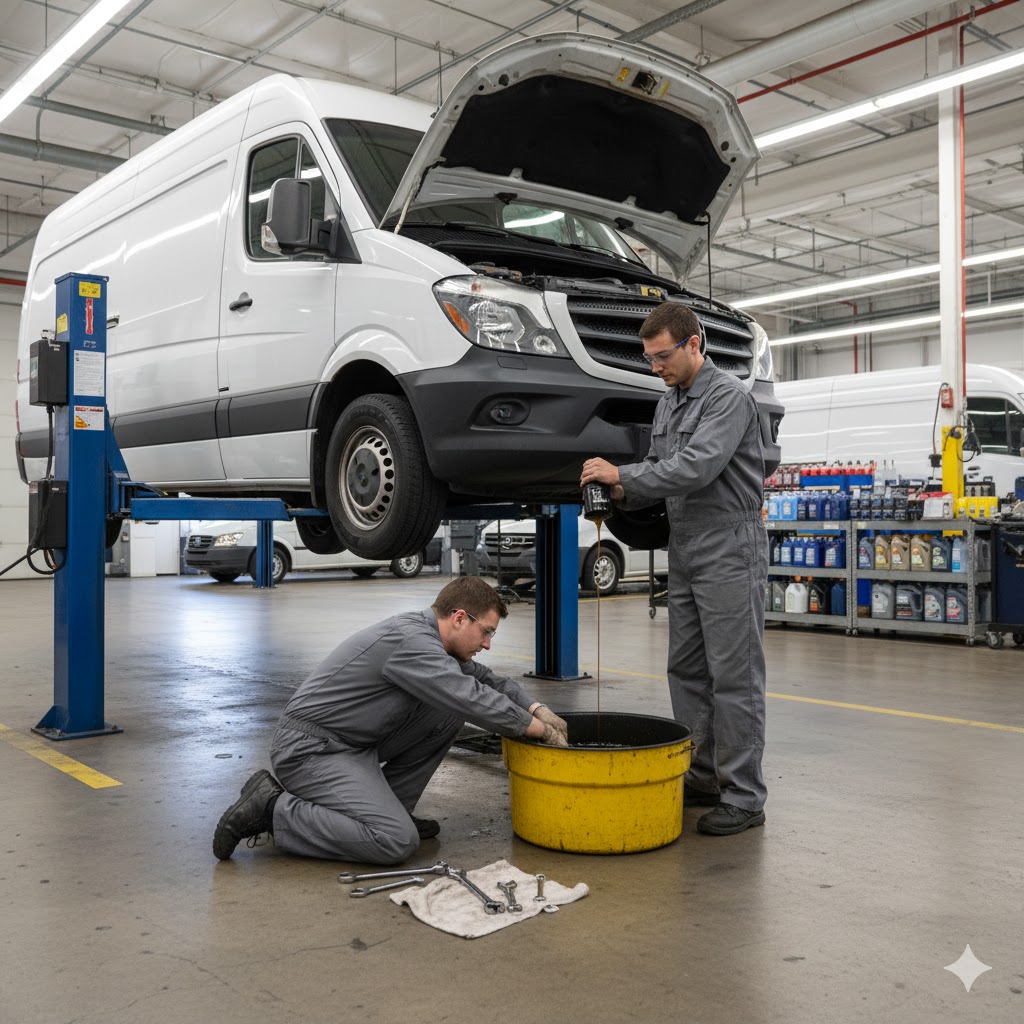
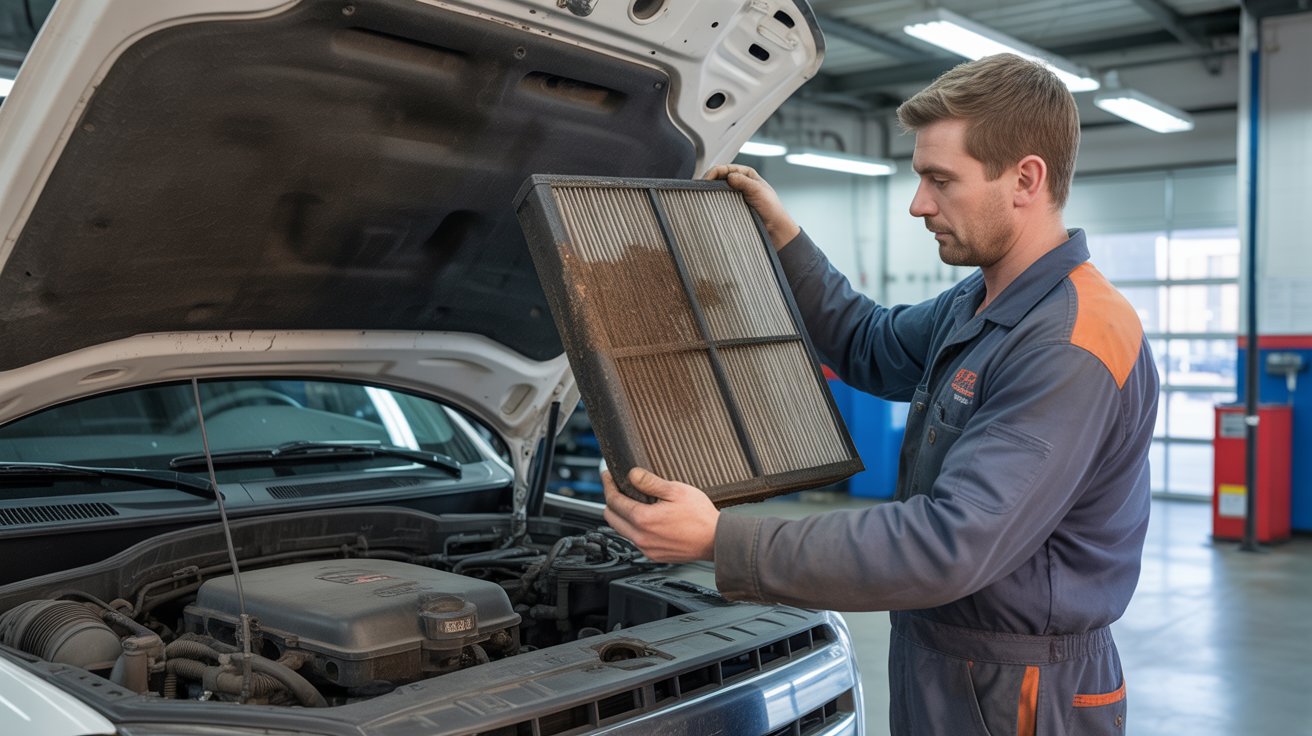
Dirty air filter fleet power loss is one of the most overlooked problems in commercial vehicles today. Many fleet managers focus on fuel, tires, and oil changes, but ignore air filtration even though it directly affects engine output, fuel economy, and long-term reliability.
When air filters clog with dust, debris, and pollutants, engines are forced to work harder to pull in oxygen. That restriction slowly robs fleet vehicles of power, efficiency, and consistency. Over time, it leads to higher operating costs and avoidable downtime.
Why Airflow Matters for Fleet Engine Performance
Engines rely on a precise balance of air and fuel to generate power. Clean air allows proper combustion, smooth acceleration, and consistent torque. When airflow becomes restricted, the engine control system compensates by adjusting fuel delivery — often resulting in incomplete combustion.
This imbalance is a major reason fleets experience sluggish response, poor acceleration, and reduced towing capability. Many operators don’t realize that something as simple as delayed on-site air filter replacement for fleets can be the root cause of declining performance across multiple vehicles.
How Dirty Air Filters Reduce Fleet Power
A clogged air filter limits the volume of oxygen entering the engine. Less oxygen means weaker combustion, which directly translates into reduced horsepower and torque. In heavy-duty and commercial fleets, even a small drop in power can impact delivery times, driver confidence, and overall productivity.
Drivers may notice:
-
Slower acceleration
-
Reduced hill-climbing ability
-
Poor throttle response
-
Increased engine strain under load
These issues compound over time, especially for fleets operating in dusty environments, construction zones, or high-traffic urban areas.
Fuel Efficiency Takes a Hit
Dirty air filters don’t just reduce power they increase fuel consumption. When engines struggle to breathe, they burn fuel less efficiently. Studies and real-world fleet data consistently show that restricted airflow leads to measurable drops in miles per gallon.
For large fleets, even a minor reduction in fuel efficiency can translate into thousands of dollars per year. Clean air filters help engines burn fuel properly, keeping operating costs predictable and under control.
Long-Term Engine Damage Risks
Ignoring air filter maintenance doesn’t just affect short-term performance. Over time, contaminants trapped in clogged filters can bypass the system entirely, allowing dirt and debris into sensitive engine components.
This exposure accelerates wear on:
-
Pistons and cylinders
-
Fuel injectors
-
Turbochargers
-
Sensors and airflow meters
The result is higher repair costs, more frequent breakdowns, and reduced vehicle lifespan — all of which impact fleet profitability.
Impact on Fleet Reliability and Downtime
Fleet downtime is expensive. Missed routes, delayed deliveries, and unexpected repairs hurt customer satisfaction and revenue. Dirty air filters quietly increase the likelihood of mechanical issues by forcing engines to operate under stress.
Routine air filter inspections and replacements help maintain consistent performance across the fleet, ensuring vehicles are ready when drivers need them.
Environmental and Emissions Concerns
Restricted airflow leads to inefficient combustion, which increases emissions. For fleets operating in states with strict emissions standards, dirty air filters can push vehicles out of compliance.
Cleaner airflow supports:
-
Lower emissions output
-
Better exhaust system performance
-
Easier emissions testing and compliance
This is especially important for service fleets operating in major US metro areas where air quality regulations are enforced.
How Often Fleet Air Filters Should Be Replaced
There is no one-size-fits-all schedule. Replacement intervals depend on:
-
Vehicle type
-
Operating environment
-
Mileage and engine hours
-
Dust and pollution exposure
However, many fleets wait too long. Proactive maintenance especially mobile, on-site service reduces risk and keeps vehicles operating at peak performance without disrupting schedules.
The Advantage of Professional Fleet Air Filter Service
Professional service ensures filters are replaced correctly, inspected for related issues, and matched to vehicle specifications. On-site service eliminates downtime caused by shop visits and keeps fleet operations moving.
Regular maintenance also helps fleet managers identify early signs of engine stress before they become expensive failures.
Final Thoughts
Dirty air filters silently drain fleet power, fuel efficiency, and reliability. What seems like a minor maintenance task can have a major impact on performance and operating costs when ignored. Clean airflow supports stronger engines, better fuel economy, and longer vehicle life all essential for profitable fleet operations.
Book Your Fleet Air Filter Service Today
If your fleet is showing signs of reduced power, poor fuel efficiency, or inconsistent performance, it’s time to act. Oilcanman provides fast, reliable mobile air filter service designed specifically for commercial fleets. Call now to book your appointment 19547648117