Fleet battery load testing is one of the most effective ways to prevent unexpected vehicle breakdowns, missed routes, and costly roadside emergencies. For fleet managers, a single dead battery can disrupt schedules, increase downtime, and damage customer trust. That’s why proactive battery testing done on-site and before failure has become a critical part of modern fleet maintenance.
When batteries fail without warning, it’s rarely convenient. Whether it’s a delivery truck that won’t start or a service vehicle stranded mid-job, the impact goes far beyond a simple battery replacement.
In today’s fast-paced operations, mobile fleet battery testing services like those offered by Oilcanman help fleets stay ahead of battery issues without pulling vehicles off the road or sending them to a shop.
Why Fleet Battery Failures Cause Major Disruptions
A weak or failing battery doesn’t just affect one vehicle—it can throw off an entire operation. Fleet vehicles depend on batteries to power ignition systems, onboard electronics, safety systems, GPS units, and communication tools.
Common problems caused by battery failure include:
-
Vehicles that won’t start during critical routes
-
Delayed deliveries and service appointments
-
Increased roadside assistance costs
-
Driver frustration and lost productivity
-
Damage to alternators and starters due to weak batteries
Most of these issues don’t happen suddenly. Batteries usually degrade over time, showing signs long before total failure—if someone is checking.
What Is On-Site Battery Load Testing?
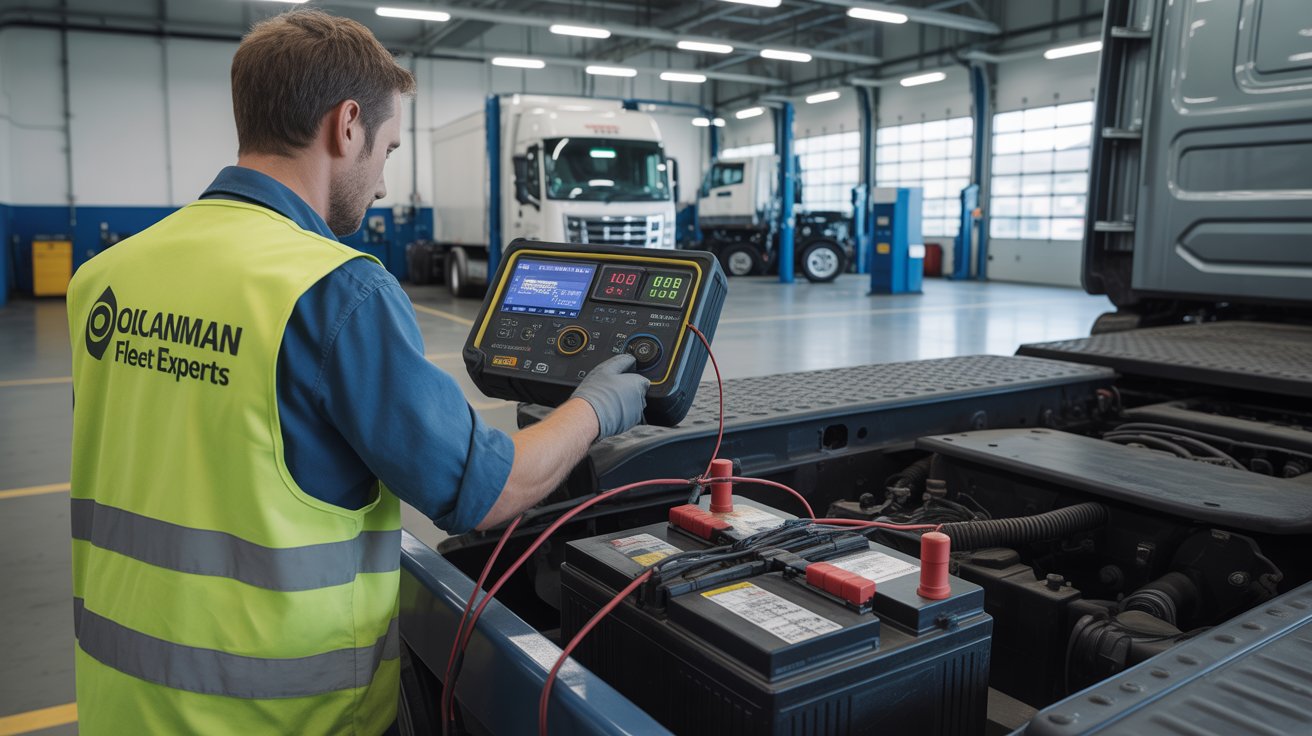
On-site battery load testing is a professional diagnostic process that evaluates a battery’s ability to perform under real-world conditions. Unlike basic voltage checks, load testing applies a controlled load to the battery and measures how well it maintains power.
This type of testing is performed directly at your fleet location yard, depot, or job site without removing the vehicle from service.
Load testing helps identify:
-
Batteries nearing end-of-life
-
Internal battery damage
-
Cold cranking amp (CCA) weakness
-
Charging system stress
By testing batteries under load, technicians can accurately determine whether a battery is reliable or about to fail.
How Fleet Battery Load Testing Prevents Emergencies
Early Detection of Weak Batteries
Battery load testing spots problems before they become emergencies. Instead of waiting for a no-start situation, weak batteries are identified and replaced during scheduled maintenance.
Reduced Roadside Breakdowns
Emergency jump-starts and tows are expensive and disruptive. Regular on-site testing dramatically lowers the risk of vehicles failing in the field.
Improved Fleet Reliability
Reliable vehicles mean consistent service. When batteries are tested and maintained, fleets experience fewer delays and higher on-time performance.
Lower Long-Term Maintenance Costs
Replacing a battery proactively costs far less than emergency repairs, missed jobs, or damage to other electrical components caused by battery strain.
Why On-Site Testing Is Better Than Shop Visits
Sending vehicles to a shop for battery checks costs time and money. On-site battery load testing eliminates that downtime.
Key advantages include:
-
No vehicle removal from routes
-
Testing multiple vehicles in one visit
-
Faster decision-making
-
Minimal disruption to operations
-
Convenient scheduling around fleet needs
For busy fleet managers, having testing done where the vehicles already are makes practical and financial sense.
Which Fleets Benefit the Most?
Fleet battery load testing is essential for:
-
Delivery and logistics fleets
-
Utility and service vehicles
-
Construction and work trucks
-
Municipal and government fleets
-
Rideshare and shuttle services
Any fleet that depends on reliable starts especially in extreme heat or cold benefits from regular battery testing.
How Often Should Fleet Batteries Be Load Tested?
Most professional fleet maintenance programs recommend:
-
Testing every 3–6 months
-
Testing before seasonal temperature changes
-
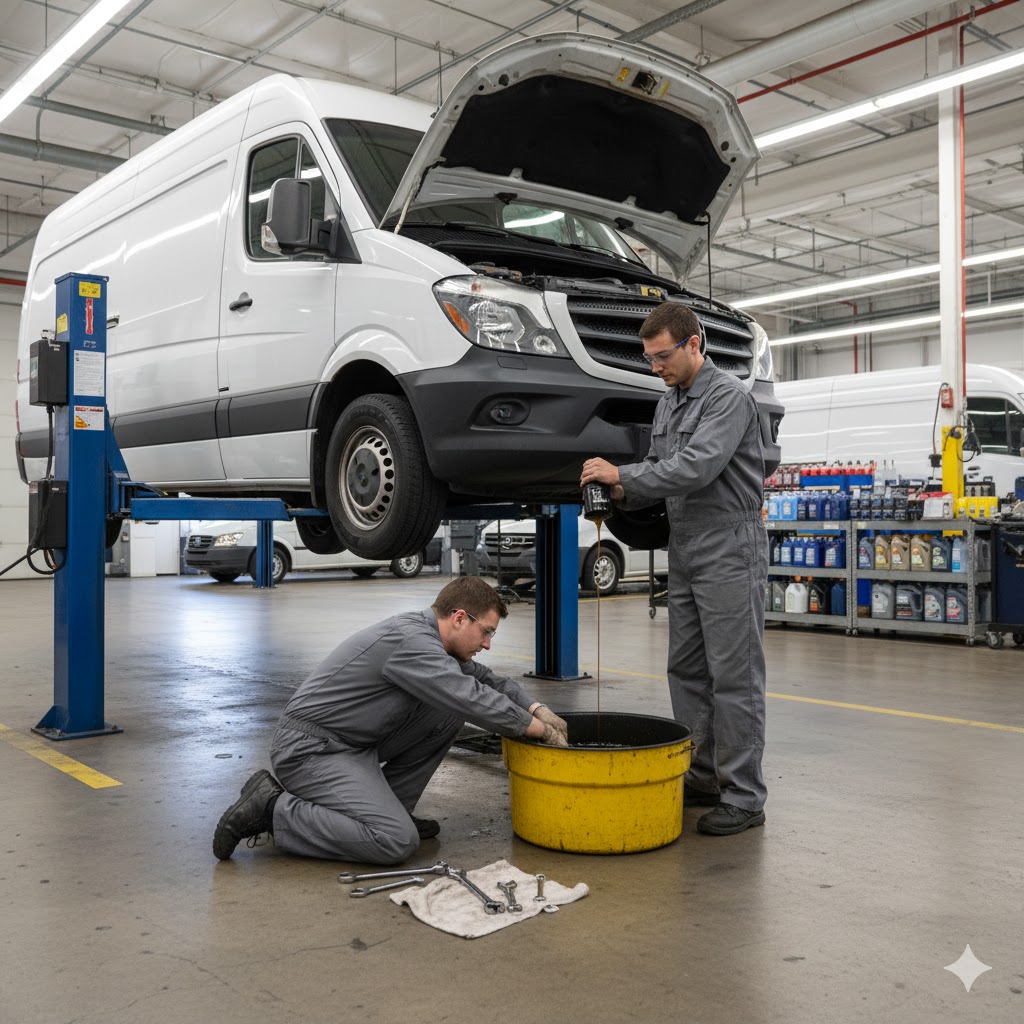
Testing during routine oil changes or inspections
-
Immediate testing when electrical issues appear
High-use vehicles or fleets operating in hot climates may require more frequent testing due to faster battery degradation.
Signs Your Fleet Needs Immediate Battery Testing
If your fleet is experiencing any of the following, battery load testing should be scheduled right away:
-
Slow engine cranking
-
Frequent jump-starts
-
Warning lights related to electrical systems
-
Vehicles sitting unused for long periods
-
Batteries older than two years
Ignoring these signs increases the risk of sudden failure.
Why Choose Professional Fleet Battery Testing Services?
Professional testing ensures accurate results and informed decisions. Trained technicians use calibrated equipment and understand fleet-specific demands.
With a trusted provider like Oilcanman, fleets gain:
-
On-site convenience
-
Accurate diagnostics
-
Preventive maintenance planning
-
Fewer emergency breakdowns
-
Peace of mind
Keep Your Fleet Moving Without Surprises
Battery failures don’t have to be part of fleet operations. With proactive fleet battery load testing, you can eliminate guesswork, reduce downtime, and keep vehicles ready when you need them most.
Book Your On-Site Fleet Battery Testing Today
Don’t wait for a breakdown to disrupt your business. Schedule your on-site fleet battery load testing with Oilcanman today and keep your vehicles reliable, efficient, and road-ready.
📞 Call now to book your appointment: 195-476-48117