Outdoor fleet storage maintenance is one of the most overlooked responsibilities for fleet managers, yet it has a direct impact on vehicle lifespan, safety, and operating costs. When commercial vehicles are stored outdoors whether in open lots, construction yards, or roadside depots they are constantly exposed to weather, moisture, heat, and environmental contaminants. Without a proper maintenance strategy, this exposure can lead to premature wear, unexpected breakdowns, and costly downtime.
For businesses across the U.S. that rely on work trucks, vans, box trucks, and service vehicles, outdoor storage is often unavoidable. The key is knowing how to maintain these vehicles proactively so they remain reliable and ready for daily operations.
Why Outdoor Storage Creates Unique Maintenance Challenges
Vehicles stored outdoors face very different risks compared to those kept in garages or covered facilities. Constant exposure to sunlight can damage paint, rubber seals, hoses, and tires. Rain and humidity accelerate corrosion, especially on brake components, electrical connections, and undercarriage parts. Dust, debris, and pollen can clog air filters and ventilation systems, while temperature swings stress batteries and fluids.
This is why outdoor fleet storage maintenance should never rely on standard schedules alone. Fleets stored outside require more frequent inspections and targeted preventive care to stay road-ready and compliant.
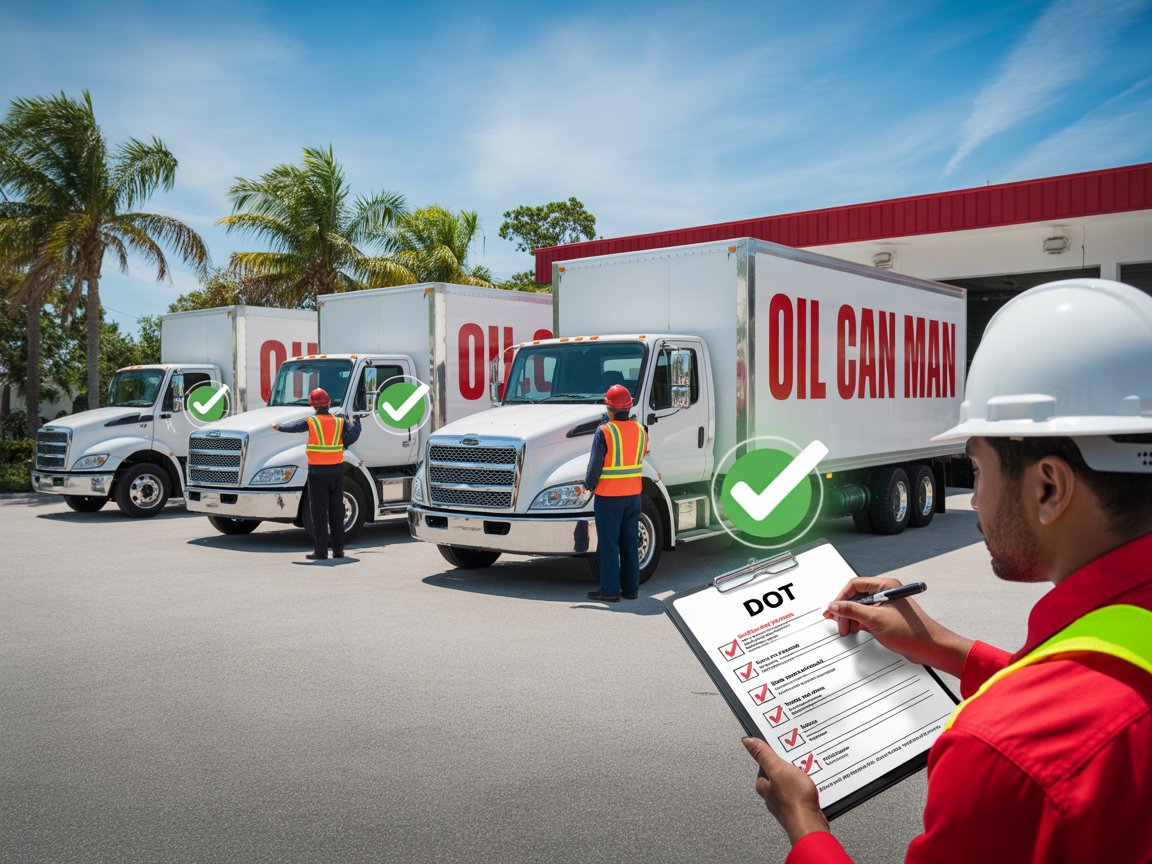
To reduce safety risks and regulatory exposure, many fleet operators rely on an OSHA-focused mobile maintenance service that performs on-site inspections and repairs without moving vehicles off location.
Start with Regular Visual Inspections
One of the simplest yet most effective strategies is conducting routine visual checks. Fleet supervisors or drivers should inspect vehicles for signs of fluid leaks, rust formation, cracked hoses, worn belts, and tire damage. Outdoor storage makes leaks easier to miss because rainwater can mask oil or coolant stains on the ground.
Pay special attention to:
-
Battery terminals and wiring connections
-
Brake lines and exposed metal components
-
Tires for cracking, flat spots, or low pressure
-
Windshield wipers and exterior rubber seals
Catching small issues early prevents them from escalating into expensive repairs or safety hazards.
Protect Against Corrosion and Rust
Corrosion is one of the biggest threats to vehicles stored outdoors. Moisture, coastal air, road salt residue, and humidity can quickly attack metal surfaces. Regular washing, including the undercarriage, removes corrosive buildup that often goes unnoticed.
Applying protective coatings, rust inhibitors, or corrosion-resistant sprays to vulnerable areas can significantly slow deterioration. Fleet managers should also ensure drainage holes remain clear so water does not collect in doors, frames, or panels.
Battery Care Is Critical for Outdoor Fleets
Outdoor storage exposes batteries to temperature extremes that shorten their lifespan. Heat accelerates battery fluid evaporation, while cold conditions reduce starting power. Vehicles that sit unused for days or weeks are especially prone to dead batteries.
Routine battery testing, terminal cleaning, and secure mounting checks should be part of any outdoor fleet storage maintenance plan. Replacing weak batteries before failure helps avoid roadside calls and delayed starts during busy workdays.
Maintain Fluids and Filters More Frequently
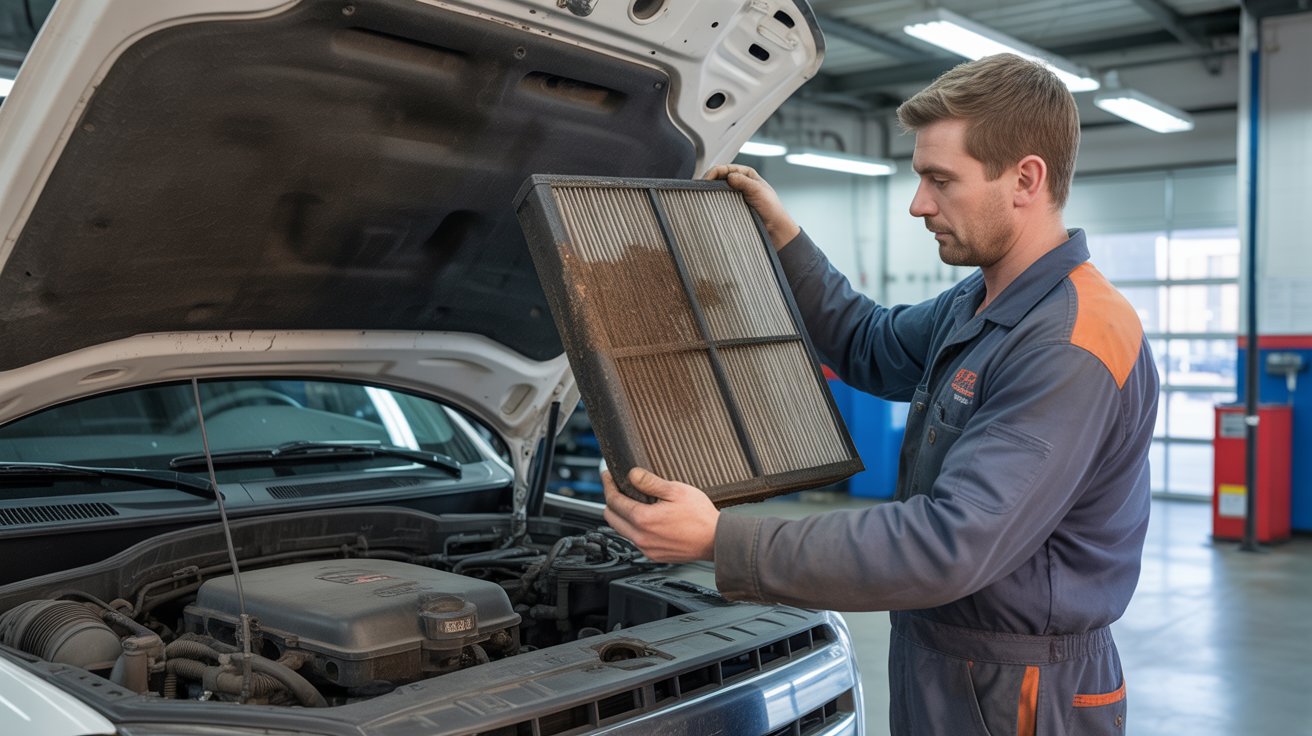
Outdoor-stored vehicles often require more frequent fluid and filter maintenance. Temperature changes affect oil viscosity, coolant performance, and brake fluid moisture content. Dirt and debris from outdoor environments clog air filters faster, reducing engine efficiency and fuel economy.
Consistent oil changes, coolant inspections, transmission checks, and filter replacements help protect engines from premature wear. On-site maintenance services make it easier to perform this work without disrupting fleet schedules.
Tire Protection and Pressure Monitoring
Tires deteriorate faster when vehicles are parked outdoors for long periods. UV exposure causes rubber to crack, while uneven ground can create flat spots. Seasonal temperature changes also affect tire pressure, increasing blowout risk.
Maintaining proper tire pressure, rotating tires regularly, and replacing damaged units improves safety and extends tire life. Simple practices like parking on level surfaces and moving vehicles periodically can also reduce long-term damage.
Electrical Systems Need Extra Attention
Moisture intrusion is a common cause of electrical failures in outdoor-stored fleets. Exposed wiring, connectors, and sensors are vulnerable to corrosion and short circuits. These issues often trigger warning lights, starting problems, or intermittent faults that are hard to diagnose later.
Routine electrical inspections and mobile diagnostics help identify weak points before failures occur. Keeping seals intact and addressing minor electrical issues early prevents major system disruptions.
Schedule Preventive Maintenance On-Site
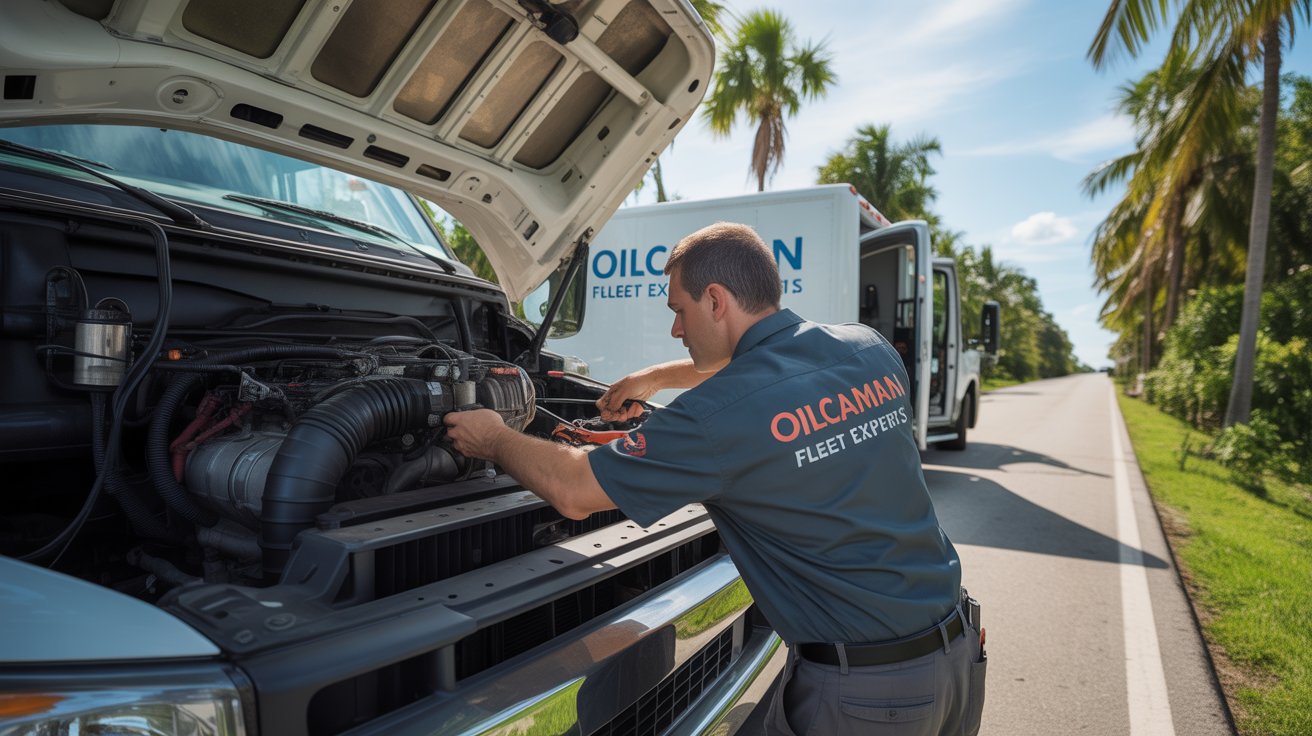
Transporting vehicles to a shop increases downtime and costs, especially for fleets stored outdoors. Mobile fleet maintenance eliminates this problem by bringing service directly to your yard, lot, or job site. Technicians can perform inspections, fluid services, battery testing, brake checks, and repairs without moving vehicles.
This approach ensures consistent maintenance even when fleets are spread across multiple outdoor locations.
Documentation and Compliance Matter
Outdoor fleet storage maintenance is not just about vehicle performance—it also supports compliance and liability protection. Keeping detailed maintenance records helps demonstrate due diligence during audits, inspections, or insurance reviews. Documented preventive care also improves resale value and operational transparency.
Final Thoughts
Storing fleet vehicles outdoors doesn’t have to shorten their lifespan or increase operating costs. With proactive inspections, corrosion control, battery care, fluid management, and on-site servicing, businesses can keep their fleets reliable year-round. The right maintenance strategy transforms outdoor storage from a risk into a manageable part of daily operations.
Schedule Mobile Fleet Maintenance Today
If your vehicles are stored outdoors and you want to reduce breakdowns, extend vehicle life, and keep your fleet compliant, professional on-site service makes all the difference. Book your appointment today with Oil Can Man’s mobile fleet experts and let us service your vehicles where they are—saving time, reducing downtime, and protecting your investment.
📞 Call now: 1-954-764-8117 to schedule mobile fleet maintenance anywhere in the U.S. Florida