Telematics reduce fleet repairs by catching small problems early, improving driver habits, and helping you service vehicles based on real-world usage instead of guesswork. When fleets use telematics correctly, repair frequency drops because fewer issues grow into breakdowns and fewer breakdowns mean less downtime, less towing, and more reliable routes.
The Role of Telematics in Reducing Repair Frequency
Fleet repairs don’t usually come out of nowhere. Most “surprise” failures start as small warning signs—excess heat, low voltage, harsh braking, extended idling, misfires, or recurring fault codes that get ignored until the vehicle can’t finish a shift. Telematics changes that pattern by turning daily fleet activity into clear, actionable maintenance signals. Instead of waiting for a driver to notice something “feels off,” you get data that shows what’s happening under the hood.
In practical terms, telematics connects your vehicles to a dashboard that tracks performance, operating conditions, and driver behavior in real time. When paired with a strong inspection and service plan—and supported by Advanced Fleet Diagnostics telematics helps you reduce repair frequency by addressing issues earlier, scheduling service smarter, and avoiding the driving behaviors that accelerate wear.
What Telematics Really Does for Maintenance (Beyond GPS)
A lot of people hear “telematics” and think it’s just location tracking. For fleet maintenance, the real value is the operational and mechanical insight you can’t get from a basic GPS system.
Depending on your setup, telematics can provide:
-
Engine hours and idle time
-
Speed, harsh braking, and rapid acceleration events
-
Battery voltage trends and starting health
-
Engine temperature and overheating warnings
-
Fault codes (DTCs) and check-engine triggers
-
Fuel consumption and fuel-waste patterns
-
Route patterns and stop-and-go intensity
This matters because repair frequency is often driven by two things: unseen mechanical deterioration and operational stress (routes, loads, heat, driving style). Telematics brings both into focus.
How Telematics Helps Reduce Repair Frequency
1) It catches problems before they become “repairs”
Many costly repairs begin as minor deviations temperature creeping higher than normal, voltage dropping below stable range, or a fault code that appears intermittently. If you only react when a vehicle fails, you’re automatically choosing the most expensive version of that issue.
Telematics alerts you early so you can handle:
-
Weak batteries before no-start situations
-
Cooling issues before overheating damage
-
Sensor faults before they trigger limp mode
-
Misfire patterns before they damage catalytic components
-
Abnormal idle trends before they shorten engine life
Early action is the simplest reason telematics reduces repair frequency: fewer “emergencies” turn into planned service.
2) It builds maintenance schedules around real usage
Traditional maintenance intervals assume all vehicles operate the same way. In reality, two trucks with the same mileage can have totally different wear profiles.
Telematics lets you shift from calendar-based maintenance to usage-based maintenance, where service timing is based on:
-
Engine hours (especially for idle-heavy fleets)
-
Route severity (urban stop-and-go vs highway)
-
Load patterns and utilization
-
Temperature exposure and heat stress
That prevents both extremes:
-
Under-servicing that leads to breakdowns
-
Over-servicing that wastes money and time
Better timing means fewer failures—and fewer failures means fewer repairs.
3) It reduces the driving behaviors that create repeat repairs
Driver behavior plays a bigger role in repair frequency than most fleets want to admit. Hard braking, rapid acceleration, speeding, and long idle sessions can wear brakes, suspension, tires, and driveline components faster than normal.
Telematics gives you objective proof and coaching opportunities:
-
Identify high-risk driving patterns
-
Compare drivers across similar routes
-
Set realistic performance targets
-
Reward improvement, not just punish events
When drivers smooth out acceleration and braking, you reduce:
-
Brake wear and rotor damage
-
Tire scrubbing and premature replacement
-
Suspension fatigue and steering looseness
-
Heat load on engine and transmission systems
In short: fewer avoidable repairs show up on your maintenance board.
4) It helps you prioritize the right vehicles at the right time
Not every alert deserves immediate action. The smartest fleets use telematics to rank urgency, so the vehicles at highest risk get attention first—without pulling good vehicles off the road unnecessarily.
This triage approach reduces repair frequency because it prevents:
-
Small issues from compounding
-
Repeat breakdowns from the same vehicle
-
“Whack-a-mole” repairs that never solve root causes
Telematics data makes your shop decisions clearer and faster—especially when you manage a mixed fleet.
5) It supports faster diagnosis and fewer unnecessary part swaps
A common reason repair frequency stays high is misdiagnosis. If a vehicle comes in with a complaint and there’s not enough info, you risk replacing parts based on guesses.
Telematics can provide:
-
Time-stamped fault codes
-
Frequency of occurrence (one-time vs repeating)
-
Operating conditions when the code appeared
-
Trend lines (temp, voltage, idle, speed)
When a technician sees the “story” behind the symptom, troubleshooting becomes more accurate—so the first repair actually solves the problem instead of sending the vehicle back again.
What to Track First (If You Want Quick Wins)
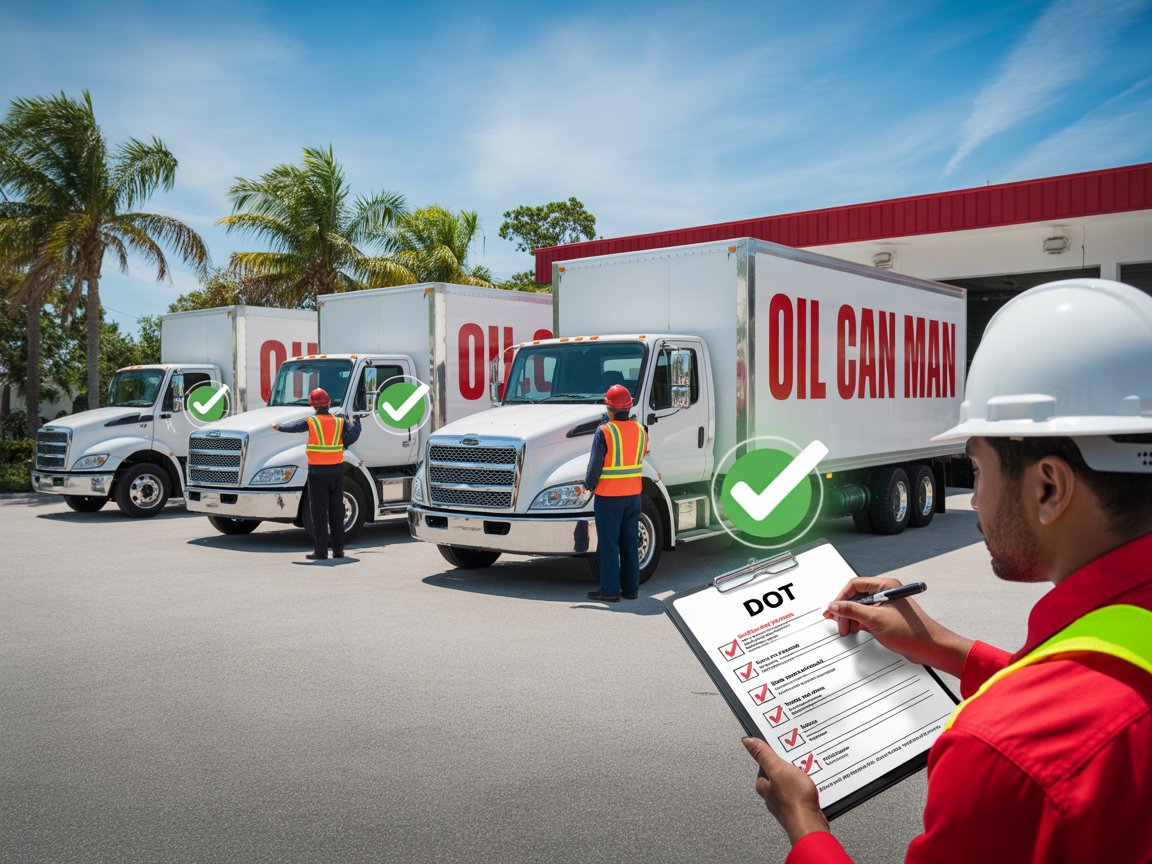
If you’re implementing telematics or you’re not sure you’re using it fully, start with metrics that directly tie to repeat repairs:
-
Idle time per vehicle (links to engine wear, fuel waste, and overheating risk)
-
Harsh braking events (links to brake and tire wear)
-
Engine temperature alerts (links to cooling system failures)
-
Battery voltage trends (links to no-start calls and alternator stress)
-
Recurring fault codes (links to repeated shop visits)
These five categories usually produce the fastest reduction in repair frequency because they highlight issues that cause the most roadside events.
Telematics Works Best with On-Site Service Support
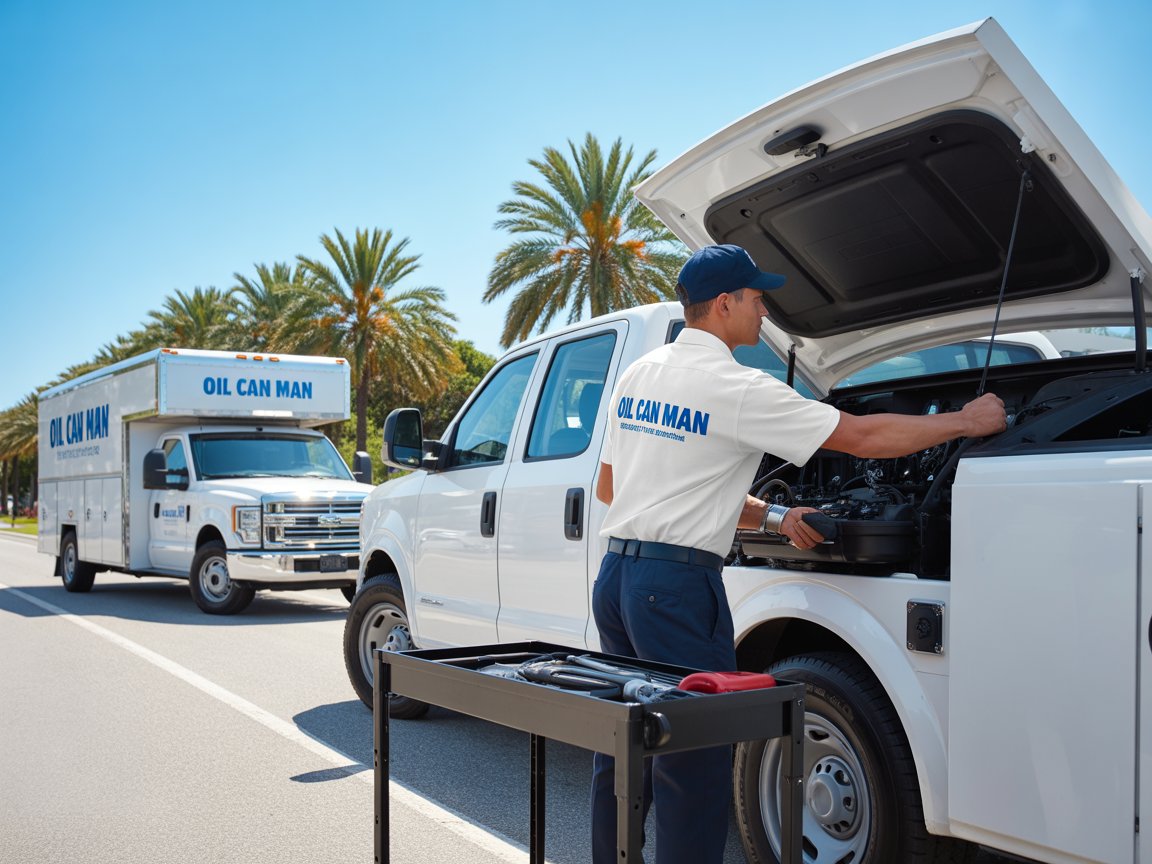
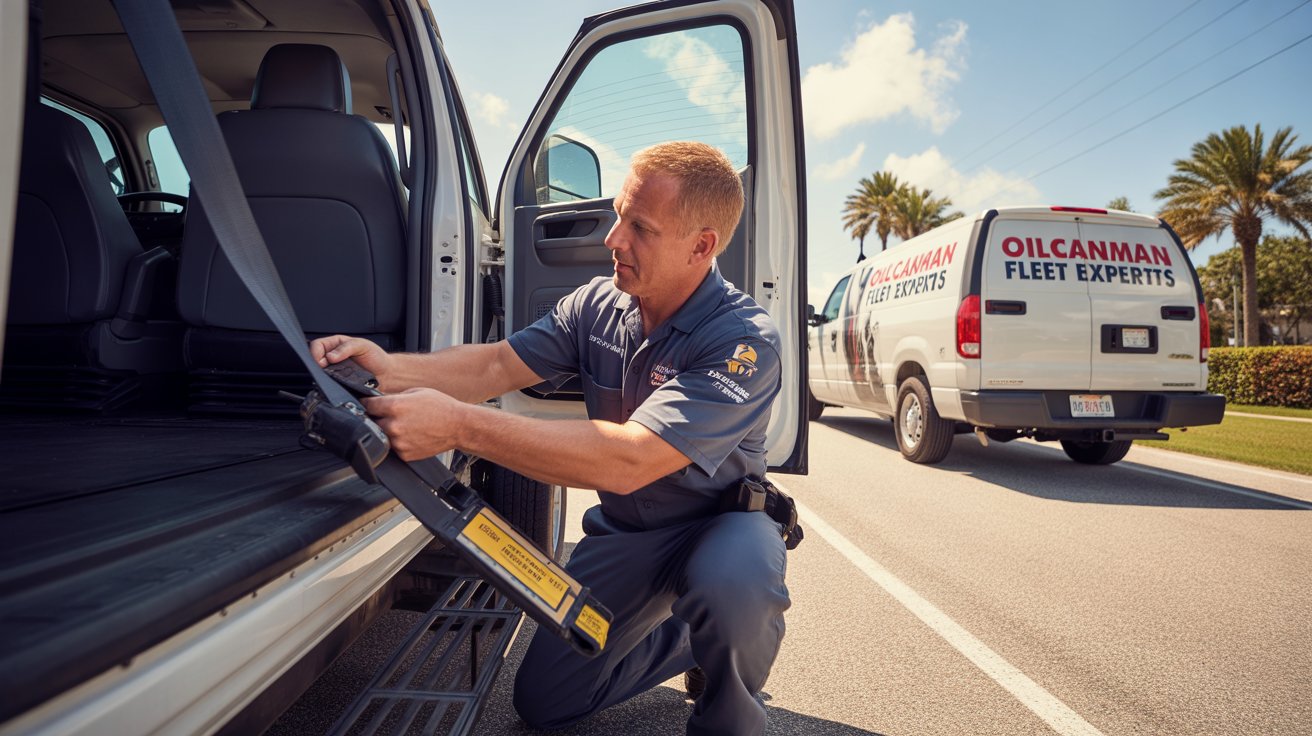
Telematics tells you what’s happening and when it’s getting worse but you still need a fast way to act on it. The fleets that get the biggest payoff combine telematics insights with mobile service support so vehicles can be serviced at the yard, jobsite, or staging location without losing a full day to transport and waiting.
That’s where Oilcanman helps: once telematics flags an issue, your response can be quick, targeted, and scheduled to protect uptime.
Reduce Breakdowns and Keep Your Fleet Moving
If your goal is fewer repairs, fewer surprise breakdowns, and more reliable vehicles, let Oilcanman turn your telematics data into real maintenance action. Book your appointment for on-site fleet service and diagnostics today call 1 (954) 764-8117 to schedule.