Preventive fleet ROI isn’t just a “nice-to-have” metric it’s the difference between predictable operating costs and expensive surprises. When repairs get pushed to “next week” (and then next month), small issues quietly turn into major failures that drain budgets, reduce uptime, and put drivers at risk.
Most fleet managers don’t ignore repairs because they don’t care. They defer repairs because schedules are tight, trucks must stay on the road, and every hour in the shop feels like lost revenue. But deferred repairs don’t disappear they compound, and the real bill usually shows up at the worst possible time: on the highway, at a customer site, or in the middle of a high-demand week.
Deferred Repairs Are Never “Free” They’re Just Delayed
In the short term, delaying repairs can feel like a win. You avoid downtime today. You keep deliveries moving. You protect this week’s numbers. But fleets pay later through a mix of direct costs (parts and labor) and indirect costs (missed jobs, towing, overtime, customer churn).
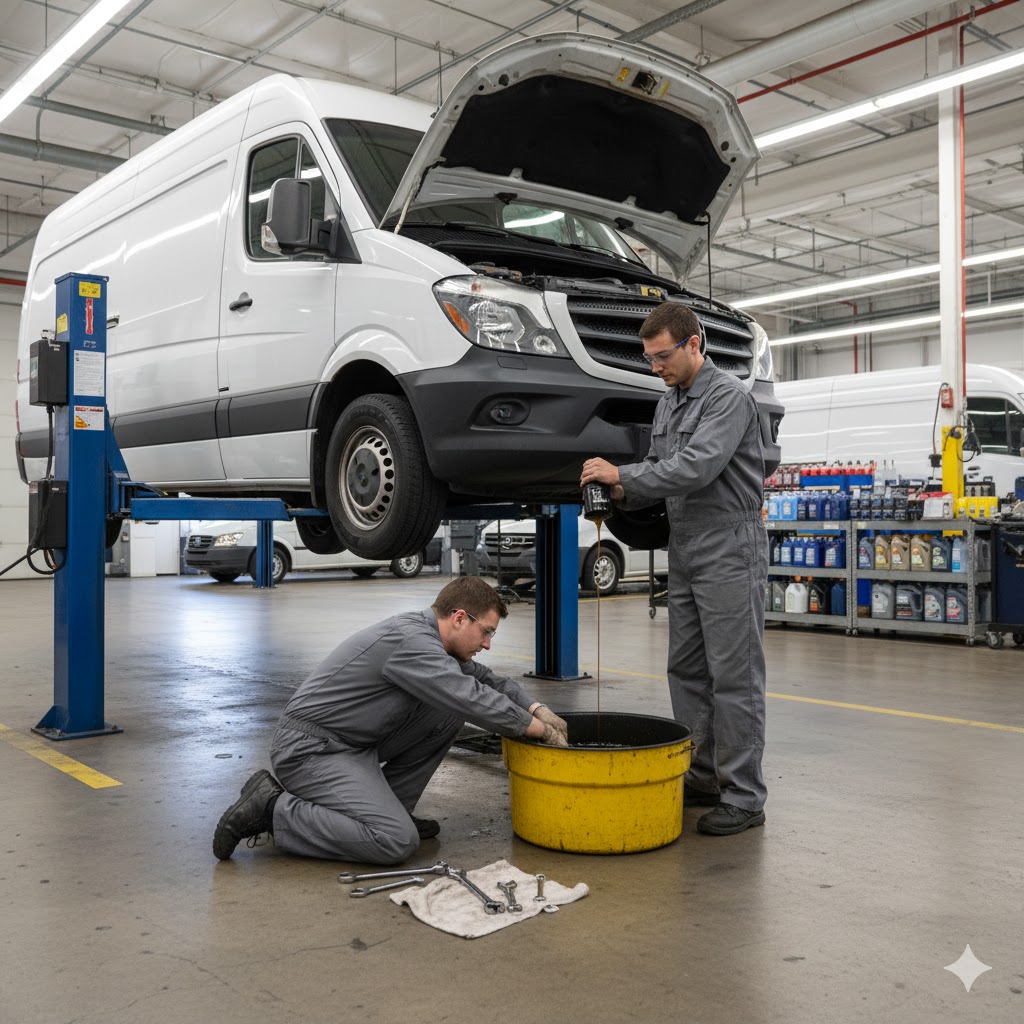
In the second paragraph, it’s worth highlighting that the easiest way to avoid that snowball effect is consistent service planning through Fleet Maintenance Programs so repairs are handled on your schedule, not the vehicle’s breaking point.
What Deferred Repairs Actually Cost (Beyond the Invoice)
1) Downtime: The Cost That Hurts the Most
Downtime is rarely just “one vehicle out.” It’s a chain reaction:
-
Missed routes or delayed jobs
-
Dispatch reshuffling
-
Driver idle time or reassignment
-
Overtime to recover schedules
-
Customer frustration (and sometimes penalties)
Even if the repair itself is affordable, the downtime around it can be far more expensive especially when a breakdown happens off-site, after hours, or far from your base.
2) Emergency Labor and Expedited Parts
A planned repair lets you choose:
-
Standard labor rates
-
Normal parts pricing
-
Efficient repair windows
A breakdown forces:
-
After-hours rates
-
Rush shipping
-
Limited part choices
-
“Fix it now” decisions that cost more
That’s one of the most overlooked reasons preventive fleet ROI is so strong: planned repairs are almost always cheaper than emergency repairs.
3) Towing, Roadside Events, and Secondary Damage
When a minor issue becomes a failure, you pay for:
-
Towing
-
Roadside service
-
Lost hours
-
Damage to surrounding components
Example: a small coolant leak turns into overheating, which can lead to warped heads, blown gaskets, or full engine damage. That one “small” delay becomes a multi-day outage and a massive repair.
4) Safety, Liability, and Compliance Risk
Deferred repairs can also increase:
-
Accident risk (brakes, tires, steering, lighting)
-
DOT and compliance exposure
-
Liability in case of an incident
A fleet doesn’t need many preventable events to create expensive legal and insurance consequences. Even one avoidable safety issue can cost more than months of scheduled maintenance.
5) Fuel Efficiency and Wear-and-Tear
Minor mechanical issues can quietly drain fuel and accelerate wear:
-
Underinflated tires increase rolling resistance
-
Misalignment scrubs tires and stresses suspension
-
Dirty or failing components reduce performance
-
Dragging brakes burn fuel and destroy pads/rotors faster
These aren’t “small” costs across a fleet—they add up across thousands of miles.
The Snowball Effect: Why Small Problems Become Big Repairs
Deferred repairs create a compounding cycle:
-
A component starts failing
-
The vehicle compensates (more stress on other parts)
-
Heat builds, friction increases, tolerances worsen
-
Failure spreads to adjacent systems
-
The repair becomes bigger, slower, and more expensive
This is why preventive fleet ROI is so measurable: you’re not only preventing one repair—you’re preventing a chain reaction of repairs plus downtime.
Common Deferred Repairs That Turn Into Budget Killers
Cooling System Issues
Small leaks, weak caps, aging hoses, or neglected coolant can lead to overheating—one of the fastest paths to catastrophic engine damage.
Brake Wear
Pads that could’ve been replaced cheaply become rotors, calipers, and even hubs. Waiting too long turns a routine service into a costly brake system overhaul.
Tire Problems
Skipping rotations, alignment checks, and pressure monitoring leads to blowouts, uneven wear, and premature replacement—plus roadside downtime.
Electrical Problems
Minor charging or wiring issues can become no-start events, repeated battery failures, and hard-to-diagnose problems that waste hours in troubleshooting.
Suspension and Steering Wear
Ignoring early symptoms can lead to unsafe handling, faster tire wear, and expensive component replacement.
How to Calculate Preventive Fleet ROI in Real Life
If you want a practical way to evaluate preventive fleet ROI, compare:
-
Planned maintenance cost (scheduled service + minimal downtime)
vs. -
Breakdown cost (repair + towing + lost productivity + schedule disruption)
Even a simple internal tracker can show patterns:
-
Repeat failures by vehicle
-
Cost per mile increases
-
Unplanned downtime events
-
Parts spend spikes
When fleets shift from reactive repairs to scheduled maintenance, they typically see:
-
Fewer emergency calls
-
Lower total parts spend over time
-
Better uptime
-
More predictable budgeting
The ROI shows up as stability: fewer surprises, fewer missed deliveries, and fewer “everything went wrong at once” weeks.
Why Deferred Repairs Hurt Growing Businesses More
If you’re scaling routes, adding drivers, or increasing service calls, deferred repairs become a growth limiter. A fleet that’s always “catching up” can’t reliably expand because:
-
Vehicles aren’t consistently available
-
Drivers lose confidence
-
Dispatch loses predictability
-
Customer service suffers
Strong maintenance planning becomes a competitive advantage—not just a cost control strategy.
What to Do Instead: Replace “Delay” With a Plan
You don’t need perfection. You need a repeatable process:
-
Routine inspections tied to mileage and usage
-
Clear thresholds for “repair now vs. monitor”
-
Scheduled service windows
-
Documentation for each unit
-
Fast response capability when emergencies happen
That combination is what protects preventive fleet ROI. It keeps your fleet in the zone of manageable, scheduled work—rather than expensive, disruptive breakdowns.
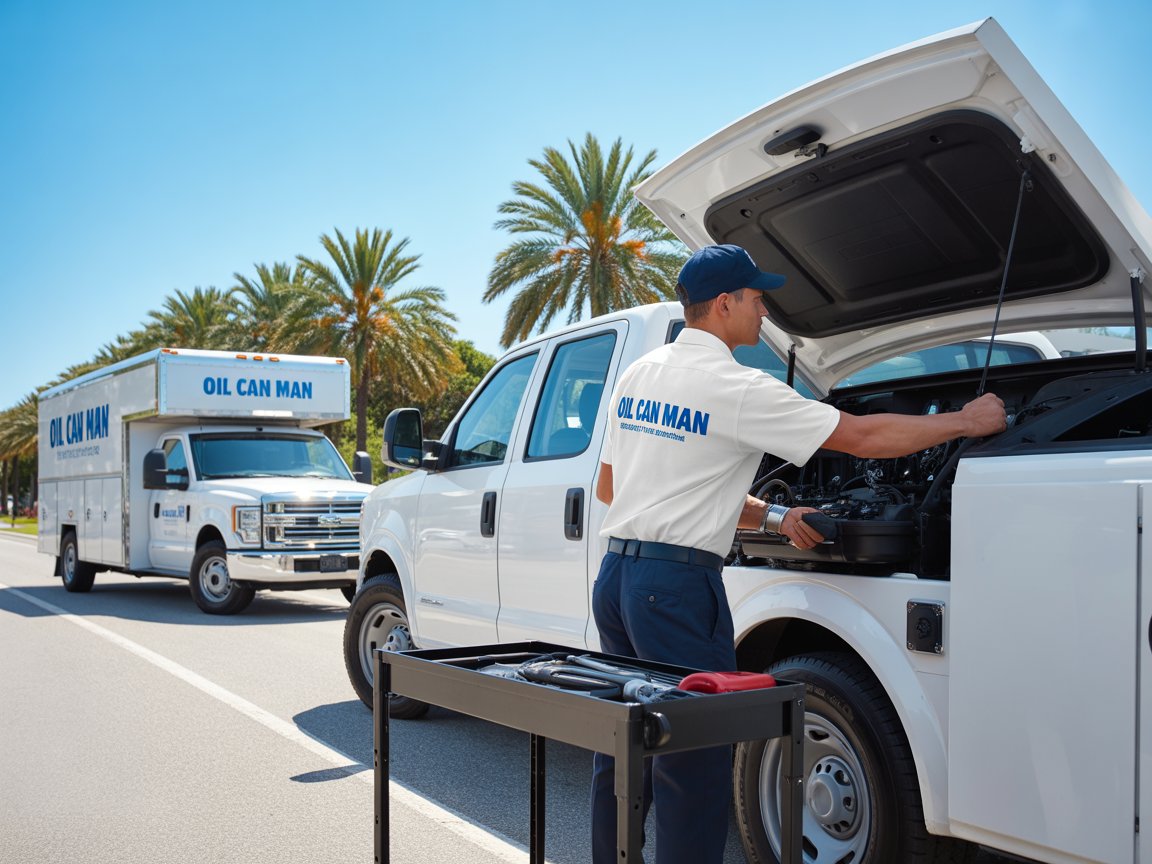
Stop Paying the Breakdown Tax
If deferred repairs are creating surprise downtime, missed jobs, or runaway maintenance costs, Oilcanman can help you regain control with on-site fleet service and scheduled maintenance support. Book your fleet service appointment today and keep your vehicles working on your schedule not on the side of the road. Call Oilcanman to schedule service.