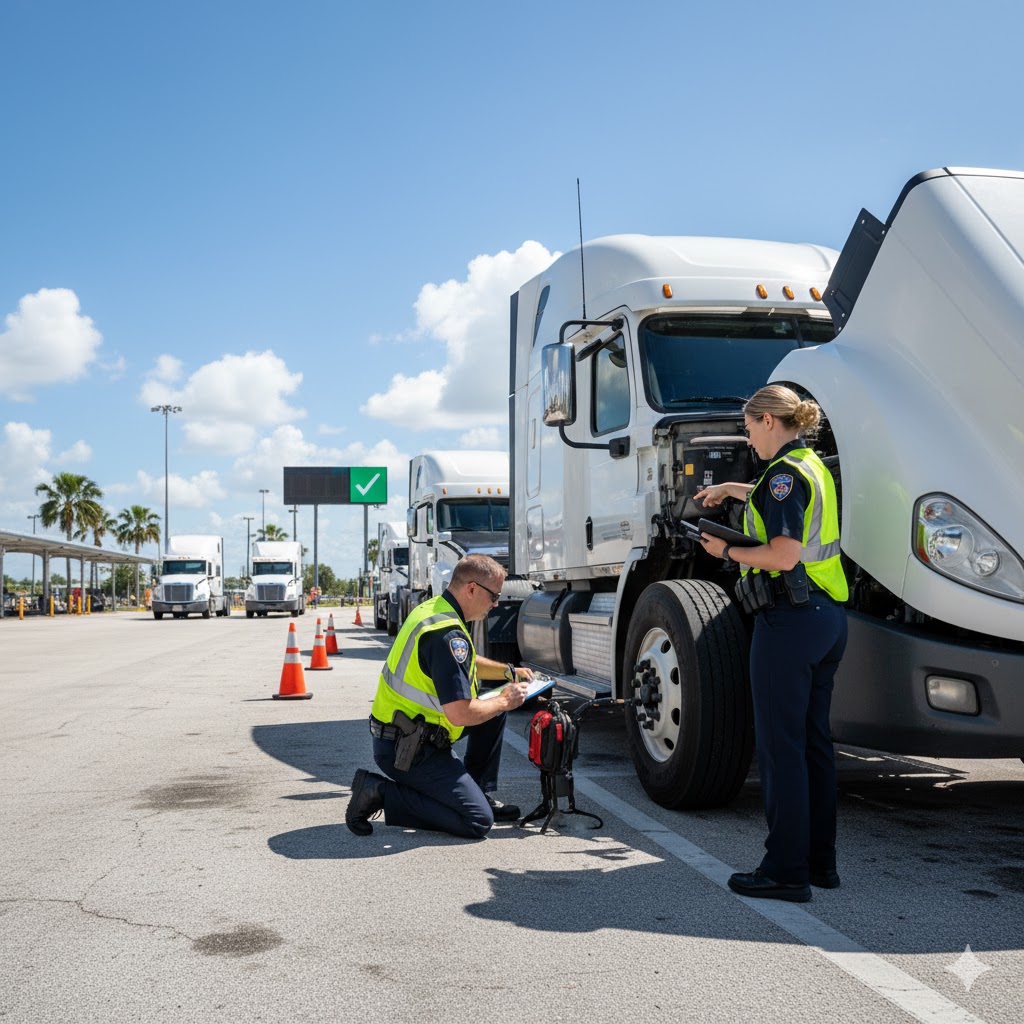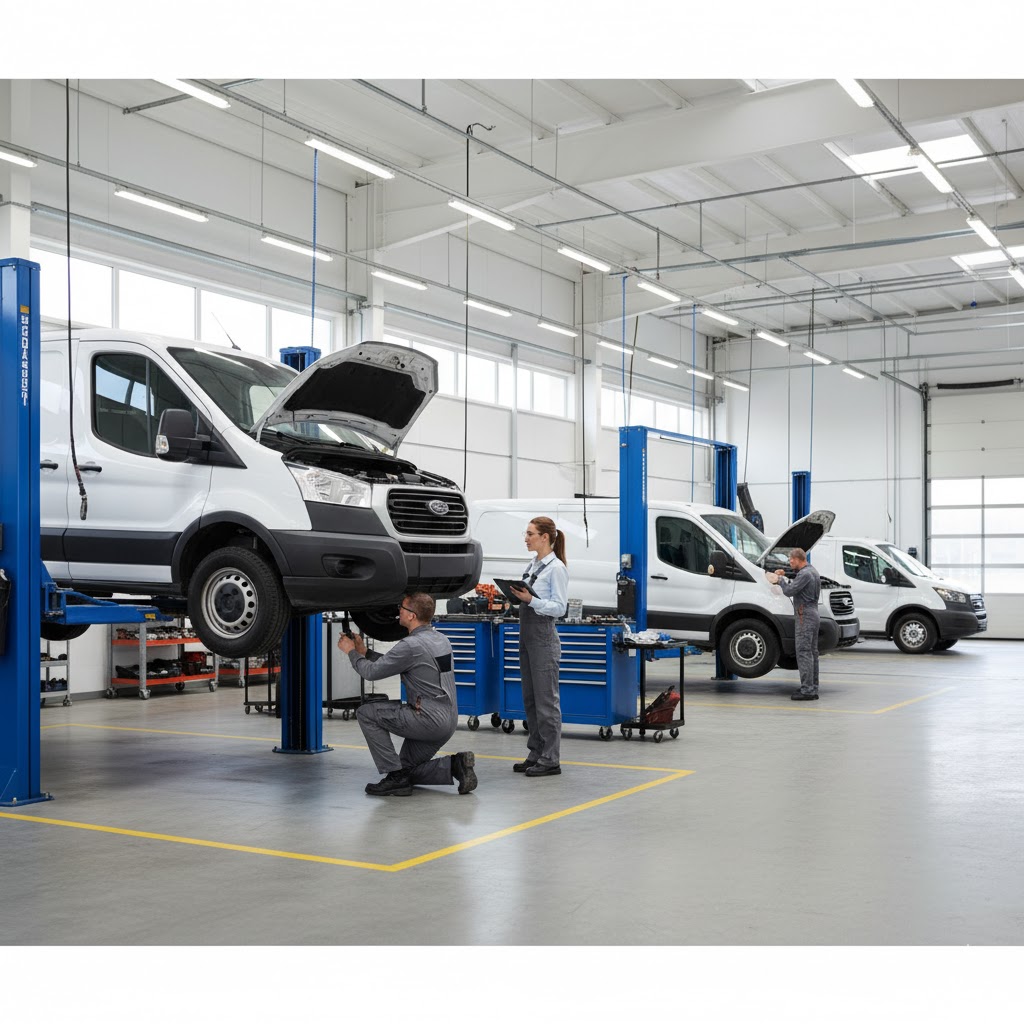

Commercial fleet sensor failures are one of the most common and costly reasons vehicles end up sidelined unexpectedly. When a single sensor malfunctions, it can trigger warning lights, reduce performance, increase fuel consumption, or even shut a vehicle down entirely.
For businesses that rely on vans, trucks, or mixed commercial fleets, understanding which sensors fail most often and why can help prevent downtime, avoid emergency repairs, and protect long-term vehicle health.
Why Sensors Matter in Commercial Fleets
Modern commercial vehicles depend on dozens of sensors to monitor engine performance, emissions, safety systems, and drivability. These sensors feed real-time data to the vehicle’s computer, allowing it to adjust fuel delivery, air intake, transmission shifting, braking response, and more.
When a sensor fails, the vehicle no longer receives accurate data. That can lead to poor engine performance, higher operating costs, failed inspections, or unexpected breakdowns. This is why early detection using Advanced Fleet Diagnostics is critical for keeping commercial vehicles on the road and operating efficiently.
Below are the top five sensor failures in commercial fleets, what causes them, and how to address them before they turn into major problems.
1. Oxygen (O2) Sensor Failure
The oxygen sensor measures how much oxygen is present in the exhaust gases and helps regulate the air-to-fuel ratio. In commercial fleets especially high-mileage vehicles—this sensor is one of the first to fail.
Common causes:
-
Extended idling
-
Poor fuel quality
-
Carbon buildup from stop-and-go driving
-
Exhaust system wear
Warning signs:
-
Decreased fuel efficiency
-
Rough idling
-
Check engine light
-
Failed emissions tests
A faulty O2 sensor forces the engine to run rich or lean, increasing fuel costs and accelerating engine wear. For fleets operating in urban environments, this failure is especially common.
2. Mass Air Flow (MAF) Sensor Issues
The mass air flow sensor measures the amount of air entering the engine so the computer can inject the correct amount of fuel. When this sensor malfunctions, the engine can no longer maintain proper combustion.
Common causes:
-
Dirty air filters
-
Dust and debris buildup
-
Oil contamination
-
High humidity conditions
Warning signs:
-
Engine hesitation
-
Poor acceleration
-
Stalling
-
Reduced power under load
Commercial vehicles operating in construction zones, warehouses, or outdoor job sites are particularly vulnerable. Regular filter replacement and sensor cleaning can significantly reduce the risk of failure.
3. Engine Coolant Temperature Sensor Failure
This sensor monitors engine temperature and helps prevent overheating. In commercial fleets, coolant sensor failures often go unnoticed until serious damage occurs.
Common causes:
-
Aging sensors
-
Coolant contamination
-
Electrical connector corrosion
-
Repeated overheating cycles
Warning signs:
-
Overheating engine
-
Poor cold starts
-
Black exhaust smoke
-
Inconsistent temperature readings
When the engine computer receives incorrect temperature data, it may run the engine too rich or fail to activate cooling fans properly—leading to costly engine repairs.
4. ABS Wheel Speed Sensor Problems
Wheel speed sensors are essential for anti-lock braking systems and traction control. In commercial fleets, these sensors are exposed to constant wear from road debris, moisture, and heavy loads.
Common causes:
-
Road salt and moisture exposure
-
Brake dust buildup
-
Damaged wiring
-
Worn wheel bearings
Warning signs:
-
ABS warning light
-
Traction control issues
-
Reduced braking performance
-
Inconsistent braking response
A failed wheel speed sensor can compromise vehicle safety and increase stopping distance—especially dangerous for loaded work trucks and delivery vehicles.
5. Throttle Position Sensor (TPS) Failure
The throttle position sensor monitors how far the throttle is open and communicates driver input to the engine computer. In commercial fleets, TPS failures often develop gradually.
Common causes:
-
Wear from frequent acceleration
-
Electrical faults
-
Throttle body contamination
-
High-mileage operation
Warning signs:
-
Delayed acceleration
-
Jerky throttle response
-
Poor fuel economy
-
Engine hesitation under load
This sensor plays a major role in drivability. When it fails, drivers may experience unpredictable acceleration—creating safety and productivity concerns.
Why Commercial Fleets Experience Sensor Failures More Often
Commercial vehicles operate under harsher conditions than personal vehicles. Factors such as:
-
Long daily run times
-
Heavy payloads
-
Frequent stops
-
Extended idling
-
Exposure to heat, humidity, and dust
all accelerate sensor wear. Without proactive inspections, sensor issues often go unnoticed until they cause performance problems or force vehicles into limp mode.
Preventing Sensor-Related Downtime
The best way to prevent commercial fleet sensor failures is through routine inspections and proactive diagnostics. Identifying failing sensors early helps avoid:
-
Emergency roadside repairs
-
Failed inspections
-
Reduced fuel efficiency
-
Unplanned downtime
Mobile diagnostic services allow fleets to detect sensor problems on-site, eliminating the need to tow vehicles to a shop and keeping operations moving.
Keep Your Fleet Running with Professional Mobile Diagnostics
Sensor failures don’t have to disrupt your business. At Oil Can Man, we provide on-site diagnostic and repair services designed specifically for commercial fleets. Our experienced mobile technicians identify sensor issues quickly and accurately—so small problems don’t turn into expensive breakdowns.
📞 Call now to book your appointment or schedule mobile fleet service today at 195-476-48117. Keep your vehicles reliable, efficient, and ready to work with trusted mobile fleet experts.