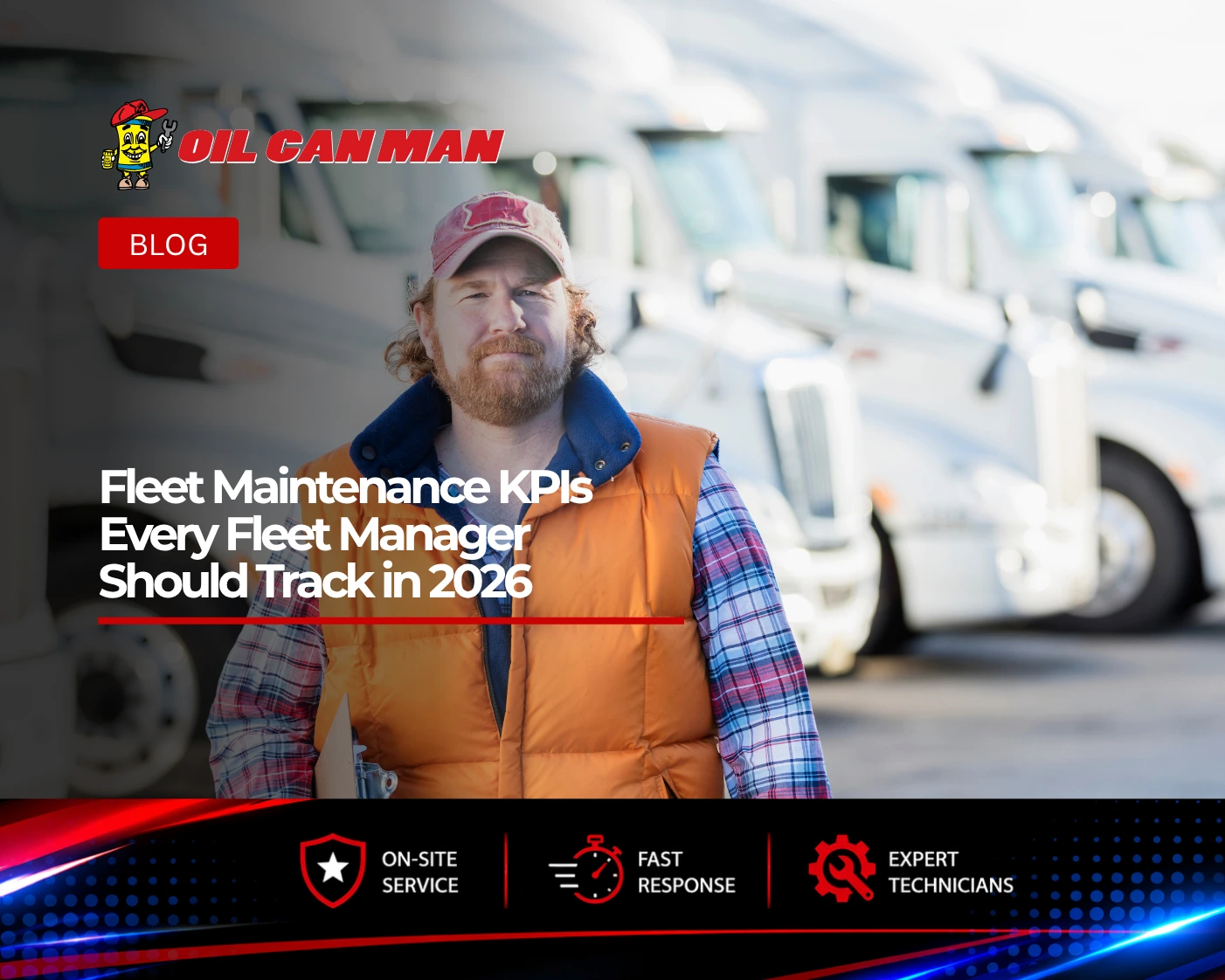
Using Fleet Maintenance KPIs to Improve Profitability and Reduce Downtime
Fleet managers today face increasing pressure to control operating costs while maintaining high levels of vehicle reliability and productivity. Rising fuel prices, labor shortages, stricter compliance requirements, and increasingly complex vehicle systems make effective fleet management more challenging than ever. In 2026, organizations that rely on commercial vehicles can no longer afford to make maintenance decisions based on assumptions or outdated records.
This is why tracking fleet maintenance KPIs has become a critical business strategy. By monitoring key performance indicators such as vehicle uptime, cost per mile, preventive maintenance compliance, and downtime trends, fleet managers can make data-driven decisions that improve profitability, reduce unexpected breakdowns, and maximize asset utilization. For businesses throughout Fort Lauderdale, Miami, Palm Beach, and South Florida, Oil Can Man helps organizations implement proactive maintenance programs that improve fleet performance and keep vehicles on the road longer.
Why Fleet Maintenance KPIs Matter More Than Ever
The Cost of Poor Fleet Visibility
Without accurate maintenance data, fleet managers often discover problems only after they have become expensive failures. Poor visibility can lead to:
- Unexpected breakdowns
- Higher repair expenses
- Increased downtime
- Missed customer commitments
- Lower driver productivity
For example, a delivery company operating 40 service vehicles across South Florida may experience recurring transmission failures. Without proper fleet maintenance reporting, managers may not realize a specific vehicle group is generating significantly higher repair costs until thousands of dollars have already been spent.
How KPI Tracking Improves Fleet Performance
Monitoring the right fleet management KPIs provides valuable insights that help organizations:
- Improve maintenance scheduling
- Increase budgeting accuracy
- Reduce vehicle downtime
- Extend asset lifespan
- Improve operational efficiency
By leveraging real-time data instead of reacting to emergencies, fleet managers can reduce disruptions and improve overall fleet performance.
From Reactive Maintenance to Proactive Fleet Management
The most successful fleets are shifting away from reactive maintenance models and adopting preventive maintenance strategies supported by analytics and reporting. A modern fleet maintenance dashboard enables managers to identify trends early and address issues before they result in costly breakdowns.
This proactive approach improves reliability while helping organizations achieve long-term cost savings.
Vehicle Uptime: The Most Important Fleet Performance Metric
What Is Vehicle Uptime?
Vehicle uptime measures the percentage of time a vehicle is available and operational when needed.
Vehicle Uptime = Operational Time ÷ Total Available Time × 100
While availability simply indicates that a vehicle exists within the fleet, uptime measures whether it is actually capable of generating revenue.
Why Vehicle Uptime Impacts Profitability
Every hour a commercial vehicle sits idle due to maintenance issues represents lost revenue opportunities.
High vehicle uptime provides:
- Greater productivity
- Improved customer service
- Better route efficiency
- Increased profitability
For service providers and transportation companies in Fort Lauderdale and Miami, maintaining vehicle uptime is often directly tied to customer satisfaction and revenue generation.
How to Improve Fleet Uptime
Organizations can increase uptime through:
- Preventive maintenance programs
- Mobile fleet service solutions
- Faster repair response times
- Routine inspections
Businesses can reduce service interruptions by utilizing services such as Fleet Oil Change Services Onsite and Comprehensive Mobile Fleet Service South Florida.
Cost Per Mile (CPM): Understanding True Fleet Operating Costs
What Cost Per Mile Measures
Cost Per Mile (CPM) helps fleet managers understand the actual operating expense of each vehicle.
CPM typically includes:
- Fuel costs
- Maintenance costs
- Tire expenses
- Repair costs
- Labor expenses
Why Cost Per Mile Is a Critical KPI
Tracking CPM allows organizations to:
- Identify underperforming vehicles
- Compare vehicle classes
- Improve budget forecasting
- Make informed replacement decisions
This metric serves as one of the most valuable forms of fleet maintenance cost tracking.
Reducing Cost Per Mile Through Better Maintenance
Preventive maintenance helps reduce operating costs by:
- Identifying issues early
- Avoiding major repairs
- Extending vehicle lifespan
- Improving fuel efficiency
Businesses looking to reduce maintenance expenses can learn more in our guide to Mobile Oil Change Cost vs Traditional Service.
Preventive Maintenance Compliance Rate
What PM Compliance Measures
Preventive Maintenance (PM) Compliance measures how consistently scheduled maintenance activities are completed on time.
This KPI evaluates:
- Scheduled service completion rates
- Inspection compliance
- Maintenance interval adherence
Why PM Compliance Directly Impacts Reliability
A high PM compliance rate helps organizations:
- Prevent unexpected breakdowns
- Extend vehicle life
- Protect manufacturer warranties
- Improve safety performance
According to the Federal Motor Carrier Safety Administration vehicle maintenance guidelines, preventive maintenance programs play an essential role in improving commercial vehicle safety and compliance.
Best Practices for Improving Compliance
Successful fleets often implement:
- Automated maintenance reminders
- Digital service records
- Fleet management software
- Maintenance scheduling workflows
Consistent PM compliance remains one of the most effective fleet maintenance KPIs for improving reliability.
Mean Time Between Failures (MTBF)
Understanding MTBF
Mean Time Between Failures (MTBF) measures the average operating time between mechanical failures.
MTBF = Total Operating Hours ÷ Number of Failures
The higher the MTBF, the more reliable the vehicle or equipment.
Why MTBF Matters for Fleet Managers
Tracking MTBF helps organizations:
- Predict maintenance requirements
- Evaluate asset reliability
- Identify recurring issues
- Support fleet replacement planning
Strategies to Increase MTBF
Businesses can improve MTBF through:
- Routine inspections
- Maintenance analytics
- Preventive maintenance programs
- Detailed service records
When combined with other fleet performance metrics, MTBF provides valuable insight into fleet health.
Repair Cost Tracking and Analysis
Measuring Total Repair Expenses
Repair cost analysis should include:
- Labor costs
- Replacement parts
- Vendor charges
- Emergency repair expenses
Identifying Cost Trends Across the Fleet
Repair data often reveals:
- High-maintenance vehicles
- Recurring component failures
- Aging fleet assets
Using Repair Data for Better Decisions
Repair analytics help fleet managers make smarter decisions regarding:
- Repair versus replacement
- Budget planning
- Asset lifecycle management
A comprehensive fleet maintenance reporting system helps identify opportunities to reduce spending while improving reliability.
Fleet Utilization Rate
What Fleet Utilization Measures
Utilization measures how effectively vehicles are being used compared to their available operating capacity.
Why Utilization Affects Profitability
Poor utilization can lead to:
- Overworked vehicles
- Underutilized assets
- Increased maintenance costs
- Poor return on investment
Balancing Utilization with Maintenance Requirements
Fleet managers should ensure maintenance schedules support operational demands without accelerating vehicle wear and tear.
Looking for Better Fleet Performance?
Many businesses struggle to balance productivity, maintenance schedules, and compliance requirements. Oil Can Man provides mobile fleet maintenance solutions throughout Fort Lauderdale, Miami, Palm Beach, and surrounding South Florida communities to help organizations improve reliability while reducing operating costs.
Whether you manage delivery vans, service trucks, construction equipment, or commercial fleets, proactive maintenance can significantly improve fleet performance.
Downtime Tracking and Management
Understanding Fleet Downtime
Fleet downtime typically falls into two categories:
Planned Downtime
Scheduled maintenance and inspections.
Unplanned Downtime
Breakdowns and emergency repairs.
Calculating Downtime Costs
Downtime expenses may include:
- Lost productivity
- Missed service opportunities
- Delayed deliveries
- Rental vehicle expenses
Organizations can better understand these costs by reviewing our article on the Cost of Fleet Downtime in Miami and the Value of On-Site Repair Services.
How Downtime Data Improves Fleet Planning
Tracking downtime helps identify:
- Maintenance bottlenecks
- Scheduling inefficiencies
- Vehicle replacement opportunities
This information supports more effective maintenance planning and resource allocation.
Additional Fleet Maintenance KPIs Worth Monitoring
Maintenance Cost Per Vehicle
Measures annual maintenance spending by asset.
Roadside Breakdown Frequency
Tracks the number of unexpected service events.
Service Turnaround Time
Measures repair completion speed.
Fleet Availability Rate
Evaluates operational readiness across the fleet.
Vehicle Lifecycle Cost
Tracks total ownership costs over time.
Work Order Completion Rate
Measures maintenance department productivity.
Building a Fleet Maintenance KPI Dashboard
Choosing the Right Metrics
The most effective fleet maintenance dashboard focuses on metrics directly tied to:
- Uptime
- Cost control
- Reliability
- Compliance
Avoid overwhelming stakeholders with excessive reporting.
Using Fleet Management Software and Analytics Tools
Modern fleet software can provide:
- Real-time reporting
- Automated KPI tracking
- Maintenance alerts
- Service history records
The NAFA Fleet Management Association offers educational resources and industry best practices that can help organizations improve fleet analytics and performance measurement.
Creating Actionable Reports
Effective reporting includes:
- Weekly maintenance reviews
- Monthly performance analysis
- Executive-level dashboards
Organizations that consistently review fleet management KPIs are better equipped to make strategic decisions.
Common Fleet KPI Tracking Mistakes to Avoid
Tracking Too Many Metrics
Focus on actionable metrics that drive business outcomes.
Ignoring Data Quality
Inaccurate information leads to poor decisions.
Focusing Only on Repair Costs
Include uptime, utilization, and preventive maintenance data.
Failing to Act on KPI Insights
Data creates value only when it drives improvements.
Overlooking Preventive Maintenance Data
Ignoring maintenance trends often leads to higher operating costs.
The American Trucking Associations regularly emphasizes the importance of maintenance planning and operational efficiency in improving fleet performance across the transportation industry.
How Oil Can Man Helps Businesses Improve Fleet Performance
Proactive Fleet Maintenance Programs
Oil Can Man provides customized maintenance programs designed to:
- Reduce downtime
- Improve reliability
- Extend vehicle lifespan
- Control operating costs
Mobile Fleet Maintenance Solutions
On-site service minimizes disruptions and eliminates unnecessary trips to repair facilities.
Data-Driven Maintenance Support
Our team helps businesses improve:
- Maintenance reporting
- Service tracking
- Fleet optimization
- Compliance readiness
Businesses can further strengthen maintenance programs through resources such as Preventive Maintenance for Commercial Fleets and Mobile DOT Inspection Services in Florida.
The U.S. Department of Transportation continues to emphasize proactive vehicle maintenance as a key component of safe and efficient transportation operations.
Supporting Long-Term Fleet Reliability and Cost Control
By combining preventive maintenance, performance analytics, and mobile service solutions, Oil Can Man helps organizations maximize uptime and improve operational efficiency throughout South Florida.
Take Control of Your Fleet Performance Before Downtime Impacts Your Bottom Line
The most successful fleet managers in 2026 understand that data drives better decisions. Tracking essential fleet maintenance KPIs such as vehicle uptime, cost per mile, preventive maintenance compliance, MTBF, utilization rates, repair costs, and downtime provides the visibility needed to improve profitability and reduce operational risk.
Whether you operate commercial trucks, delivery vans, construction equipment, utility vehicles, or service fleets throughout Fort Lauderdale, Miami, Palm Beach, and South Florida, Oil Can Man can help you implement proactive maintenance strategies that improve reliability and reduce unexpected costs.
Ready to maximize fleet performance and reduce downtime? Contact Oil Can Man today to learn how our mobile fleet maintenance programs can help your organization stay productive, compliant, and profitable.
Frequently Asked Questions
What are the most important fleet maintenance KPIs to track?
The most valuable KPIs include vehicle uptime, cost per mile, preventive maintenance compliance, mean time between failures (MTBF), downtime, repair costs, and fleet utilization rates.
How often should fleet maintenance KPIs be reviewed?
Most organizations benefit from weekly KPI reviews, monthly performance assessments, and quarterly strategic planning sessions.
What is a fleet maintenance dashboard?
A fleet maintenance dashboard is a centralized reporting tool that tracks vehicle performance, maintenance activities, downtime trends, and operating costs in real time.
How does preventive maintenance improve fleet performance?
Preventive maintenance reduces breakdowns, improves reliability, lowers repair expenses, increases uptime, and helps organizations maintain compliance with safety regulations.